




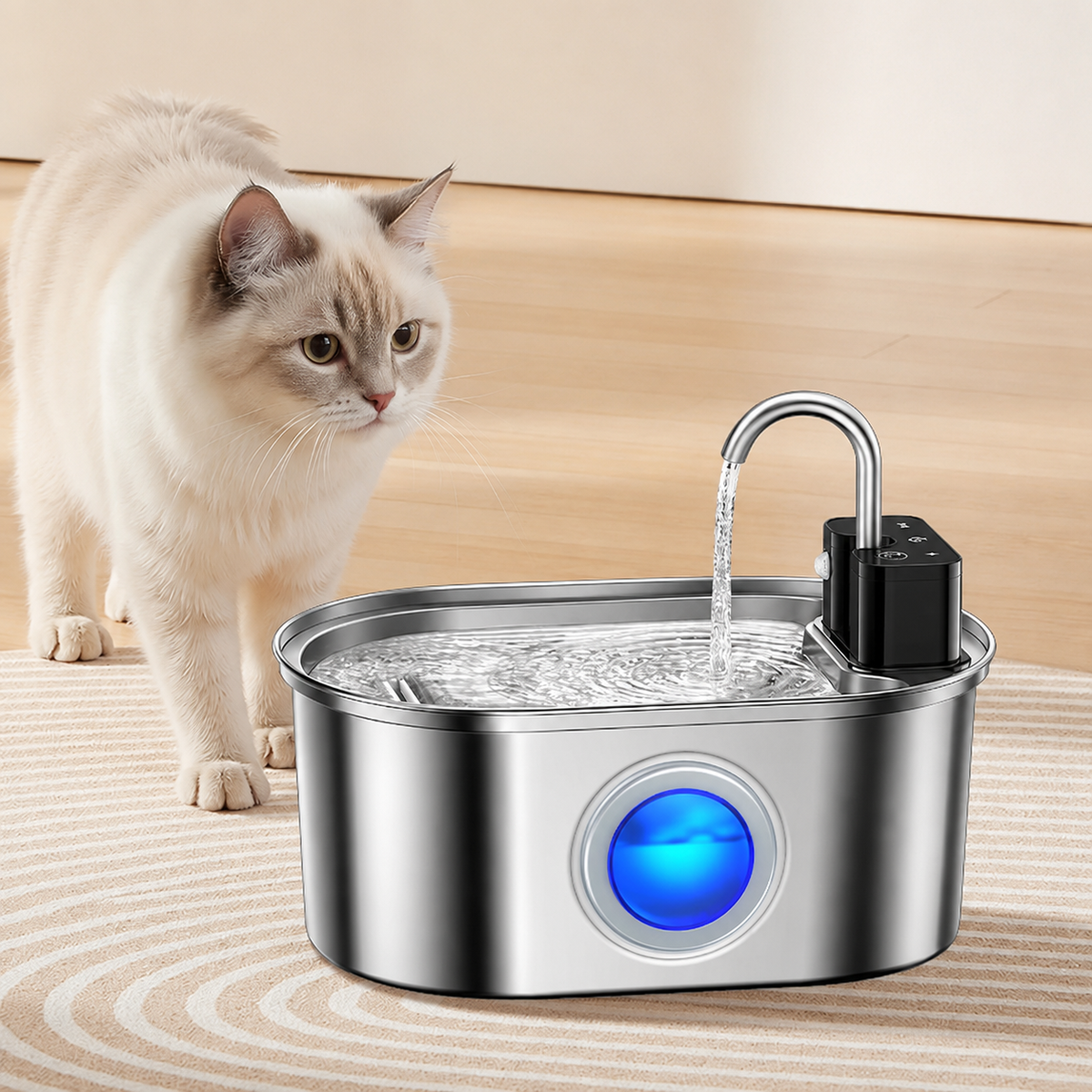


Welcoming a cat into your home is an exciting experience, but every New Pet Parent eventually encounters behaviors they don't fully understand. From scratching furniture to excessive meowing or refusing the litter box, many feline habits can seem confusing at first.
The good news is that most behavior problems are your cat's way of communicating. Understanding why they happen allows you to respond with patience instead of frustration. Whether you live in the United States or Canada, creating a safe, enriching environment is one of the best ways to encourage positive behavior and strengthen your relationship with your cat.
Why Cats Behave the Way They Do
Cats are instinct-driven animals.
Many behaviors that owners consider "bad" are actually normal feline instincts, including scratching, climbing, hunting, hiding, and marking territory. Rather than trying to eliminate these behaviors completely, it's better to redirect them in healthy ways.
Understanding your cat's natural instincts is the first step toward solving behavior problems.
Scratching Furniture
Scratching is one of the most common complaints among cat owners.
Cats scratch to sharpen their claws, stretch their muscles, relieve stress, and mark territory.
Help reduce unwanted scratching by providing several scratching posts made from sisal, cardboard, or natural wood. Place them near favorite sleeping areas and reward your cat whenever they use the correct surface.
Avoid declawing, as it can lead to long-term physical and behavioral issues.
Excessive Meowing
Some cats are naturally more vocal than others.
Excessive meowing may indicate hunger, boredom, loneliness, stress, or an underlying medical condition. Older cats may also vocalize more due to age-related cognitive changes.
If the behavior suddenly becomes frequent or unusual, schedule a veterinary examination to rule out health concerns.
Litter Box Problems
A cat that suddenly stops using the litter box should never be ignored.
Possible causes include:
Dirty litter boxes
Stress or anxiety
Urinary tract infections
Kidney disease
Unsuitable litter
Poor litter box placement
Most experts recommend one litter box per cat, plus one additional box.
Aggressive Behavior
Cats may hiss, swat, or bite when they feel frightened or threatened.
Aggression often results from fear, pain, territorial disputes, overstimulation, or redirected frustration.
Never punish aggressive behavior. Instead, identify the underlying cause and gradually rebuild your cat's confidence using positive reinforcement.
Nighttime Zoomies
Many indoor cats become highly active late in the evening.
Cats are naturally most active during dawn and dusk, making nighttime play perfectly normal.
Reduce midnight activity by scheduling interactive play sessions before bedtime, followed by a meal to encourage relaxation.
Chewing Household Objects
Some cats enjoy chewing cords, plants, or household items.
This behavior may result from boredom, curiosity, teething in kittens, or nutritional deficiencies.
Provide safe chew toys, increase daily enrichment, and keep dangerous items out of reach.
Stress and Anxiety
Cats are sensitive to changes in their environment.
Moving homes, introducing new pets, loud noises, or changes in routine can trigger stress-related behaviors.
Signs of stress include:
Hiding
Loss of appetite
Overgrooming
Aggression
Inappropriate urination
Maintaining consistent daily routines helps many cats feel secure.
Seasonal Behavior Changes in North America
Cats living throughout the United States and Canada may behave differently as the seasons change.
Long winters often reduce physical activity, increasing boredom among indoor cats. During colder months, provide extra climbing opportunities, puzzle feeders, and interactive toys.
In warmer regions such as California, Texas, Florida, and Arizona, window perches and supervised outdoor enclosures allow cats to safely enjoy fresh air without the risks of free roaming.
Keep Indoor Cats Mentally Stimulated
Mental enrichment is one of the best ways to prevent unwanted behaviors.
Offer:
Puzzle feeders
Cat trees
Interactive toys
Bird watching stations
Treat hunts
Training sessions
Even fifteen to twenty minutes of daily play can significantly improve your cat's mood and behavior.
Work With Your Local Veterinarian
Behavior changes sometimes indicate underlying health problems rather than disobedience.
If your cat suddenly becomes aggressive, stops eating, avoids the litter box, or hides constantly, consult a trusted veterinarian in your local USA or Canada community.
Early diagnosis often prevents more serious medical conditions.
When Should You See a Cat Behavior Specialist?
Most behavior problems improve with environmental changes and patience.
However, professional help may be beneficial if your cat experiences:
Persistent aggression
Severe anxiety
Compulsive behaviors
Repeated litter box avoidance
Self-injury
A certified feline behavior consultant can develop a personalized behavior modification plan.
Frequently Asked Questions
Why does my cat scratch furniture even with a scratching post?
Your cat may dislike the material, height, or location of the scratching post. Experiment with different styles until you find one they prefer.
Why is my indoor cat so active at night?
Cats are naturally crepuscular, meaning they are most active during dawn and dusk. Evening play sessions often reduce nighttime energy.
Can stress cause behavior problems?
Yes. Stress is one of the leading causes of aggression, excessive grooming, hiding, and litter box issues.
Should I punish unwanted behavior?
No. Punishment often increases fear and anxiety. Positive reinforcement and environmental enrichment produce much better long-term results.
Conclusion
Understanding Common Cat Behavior Problems helps you build a stronger relationship with your feline companion. Most unwanted behaviors are natural responses to instinct, stress, boredom, or unmet needs rather than intentional disobedience.
Whether you're caring for a playful kitten in the United States or an older rescue cat in Canada, patience, consistency, enrichment, and regular veterinary care are the keys to raising a confident, happy indoor cat.
Call to Action
Has your cat displayed any of these common behaviors?
Share your experience in the comments, pass this guide along to fellow cat owners, and schedule a wellness visit with your trusted local veterinarian if you notice sudden behavioral changes.
Visit Pawvica for more expert cat care guides, practical pet parenting advice, and premium products designed to keep your feline healthy, active, and happy every day.


