




Bringing a cat into your home is an exciting experience, especially if you're a New Pet Parent. Cats thrive in peaceful, predictable environments, and even small changes can affect their emotional well-being. Learning how to create a stress-free home helps your feline companion feel safe, confident, and healthy from day one.
Whether you live in a busy city apartment in the United States or a quiet suburban neighborhood in Canada, reducing stress is one of the most important parts of responsible pet ownership. Just as Essential Dog Care Tips and proper chăm sóc chó contribute to healthy dogs, creating a calm environment supports your cat's physical and emotional health.
Understand What Causes Stress in Cats
Cats naturally prefer routine.
Unexpected visitors, loud noises, moving furniture, new pets, or changes in daily schedules can create anxiety. Unlike dogs, many cats hide signs of stress until it becomes more serious.
Understanding your cat's behavior is the first step toward preventing long-term problems.
Create Safe Spaces for Rest
Every cat needs a quiet place where they can relax without interruption.
Provide cozy beds, enclosed cat caves, shelves, or window perches where your cat feels secure.
Avoid placing resting areas near noisy appliances or heavy foot traffic.
Maintain a Consistent Daily Routine
Cats feel safest when they know what to expect.
Feed meals, clean the litter box, and schedule playtime at similar times every day.
Consistency reduces anxiety and helps your cat develop healthy habits.
Keep the Litter Box Clean
A dirty litter box is one of the most common causes of stress.
Scoop waste daily and completely refresh litter regularly.
For homes with multiple cats, provide one litter box per cat plus one extra whenever possible.
Offer Plenty of Vertical Space
Cats naturally enjoy climbing and observing their surroundings.
Cat trees, wall-mounted shelves, and sturdy window perches allow cats to monitor their environment while feeling protected.
Vertical spaces also reduce conflict in multi-cat households.
Encourage Daily Interactive Play
Regular play provides both exercise and mental stimulation.
Use feather wands, puzzle toys, balls, or interactive toys to satisfy your cat's hunting instincts.
Even fifteen minutes of daily play can significantly reduce boredom and stress.
Provide Scratching Areas
Scratching helps cats stretch muscles, maintain healthy claws, and release stress.
Offer several scratching posts made from sisal, cardboard, or natural materials throughout your home.
Reward your cat for using them instead of furniture.
Keep Food and Water Easily Accessible
Cats feel more comfortable when essential resources are always available.
Place food and fresh water in quiet locations away from litter boxes.
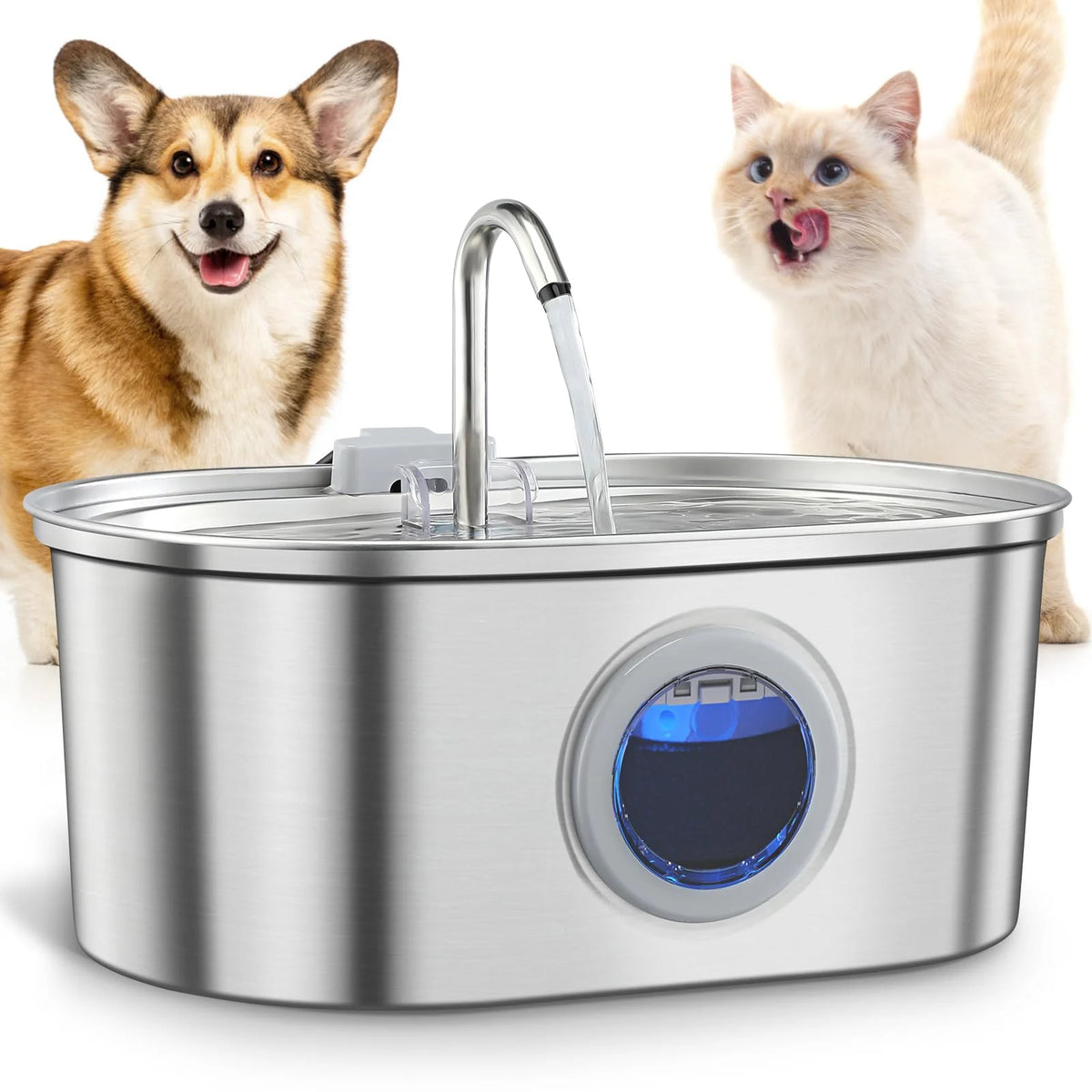
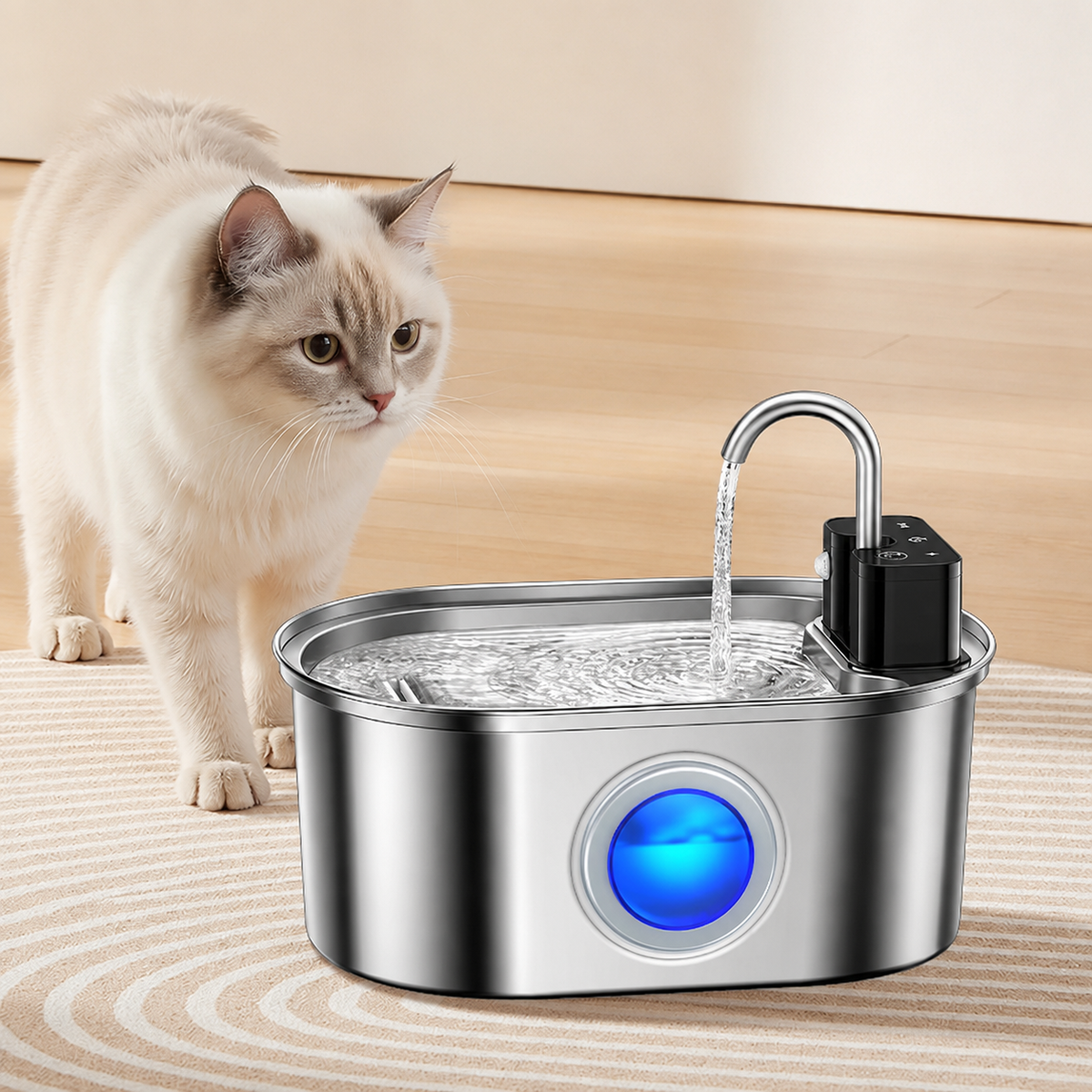
Some cats prefer drinking from pet fountains because moving water encourages hydration.
Reduce Loud Noises
Cats have extremely sensitive hearing.
Vacuum cleaners, fireworks, loud music, and construction can easily create anxiety.
During noisy events, allow your cat to retreat to a quiet room with familiar bedding, toys, and fresh water.
Use Environmental Enrichment
A stimulating environment prevents boredom.
Rotate toys weekly, hide treats in puzzle feeders, and create window views where cats can safely watch birds or squirrels.
Changing enrichment items regularly keeps curious cats engaged.
Seasonal Changes Can Affect Indoor Cats
Weather plays an important role in feline behavior across the United States and Canada.
Cold winters in provinces like Ontario, Alberta, and Quebec, along with snowy northern U.S. states, often mean cats spend more time indoors. During these months, increasing play sessions and enrichment helps prevent boredom.
Likewise, during hot summers in states such as Florida, Texas, and Arizona, keeping your home cool and ensuring constant access to fresh water helps reduce heat-related stress.
Apartment Living Can Still Be Cat Friendly
Many families in cities like New York, Seattle, Chicago, Toronto, and Vancouver successfully raise relaxed indoor cats.
Maximize vertical space, provide multiple resting areas, and maintain quiet routines to create a peaceful environment, even in smaller homes.
A thoughtfully organized apartment can be just as enriching as a larger house.
Know When Stress May Be a Medical Issue
Behavioral changes sometimes indicate underlying health problems rather than simple anxiety.
If your cat suddenly stops eating, hides constantly, becomes aggressive, or avoids the litter box, schedule a veterinary examination promptly.
Pet owners in the USA can locate trusted veterinarians through the American Veterinary Medical Association (AVMA), while Canadian families can use the Canadian Veterinary Medical Association (CVMA) to find qualified veterinary professionals.
Signs Your Cat May Be Feeling Stressed
Watch for these common warning signs:
- Hiding more than usual
- Reduced appetite
- Excessive grooming
- Overeating
- Litter box accidents
- Aggressive behavior
- Constant meowing
- Sleeping significantly more
- Loss of interest in play
Early recognition allows you to address problems before they become more serious.
Frequently Asked Questions
Can moving to a new home stress my cat?
Yes. Most cats need time to adjust to unfamiliar surroundings. Keep routines consistent and introduce new spaces gradually.
How much playtime does a cat need daily?
Most healthy adult cats benefit from two or three interactive play sessions lasting ten to fifteen minutes each.
Are pheromone diffusers helpful?
Many cats respond positively to synthetic feline pheromone diffusers, especially during stressful events like moving or introducing another pet.
How can I help a shy rescue cat?
Provide quiet hiding spots, avoid forcing interaction, establish predictable routines, and allow the cat to approach people at its own pace.
Final Thoughts
Creating a calm environment is one of the greatest gifts you can give your feline companion. By providing safe spaces, consistent routines, interactive play, clean litter boxes, and enriching activities, you'll help your cat feel confident, secure, and happy every day.
Whether you're a New Pet Parent in the United States or Canada, remember that stress prevention is an essential part of responsible pet ownership. Alongside Essential Dog Care Tips and proper chăm sóc chó for families with multiple pets, creating a peaceful home supports healthier, happier animals for years to come.
Have you discovered a favorite way to help your cat relax? Share your experience in the comments, pass this guide along to fellow cat lovers, and schedule regular wellness checkups with your local veterinarian to keep your feline friend healthy, comfortable, and stress-free.


