






Bringing home a cat for the first time is both exciting and rewarding. As a New Pet Parent, one of the first questions you'll likely ask is: How often should you feed your cat? Establishing a healthy feeding routine is essential for your cat's growth, energy levels, and long-term health.
Whether you live in the United States or Canada, factors such as climate, your cat's age, activity level, and lifestyle all influence the ideal feeding schedule. This guide will help you make informed decisions that support your feline's wellbeing from kittenhood through adulthood.
Feed Kittens More Frequently
Young kittens have tiny stomachs but high energy needs.
Kittens under six months old typically require three to four small meals per day. Frequent meals provide the nutrients needed for healthy growth while maintaining stable energy throughout the day.
Always choose food specifically formulated for kittens to meet their higher protein and calorie requirements.
Adult Cats Usually Thrive on Two Meals Daily
Most healthy adult cats do well with two balanced meals each day, typically one in the morning and one in the evening.
A consistent feeding schedule helps regulate digestion, supports healthy weight management, and creates a predictable daily routine that many cats appreciate.
Avoid leaving excessive food available throughout the day unless recommended by your veterinarian.
Consider Your Cat's Lifestyle
Indoor cats generally burn fewer calories than outdoor cats.
If your cat spends most of its time indoors, monitor portion sizes carefully to reduce the risk of obesity. Highly active cats may require additional calories depending on their activity level and body condition.
Your veterinarian can help determine the ideal feeding plan for your individual cat.
Measure Portions Instead of Guessing
Even premium cat food can contribute to weight gain if portions are too large.
Use a measuring cup or kitchen scale to provide accurate serving sizes based on your cat's age, weight, and the manufacturer's feeding guidelines.
Regularly monitor your cat's body condition rather than relying only on weight.
Fresh Water Is Just as Important
Proper hydration supports kidney health, digestion, and overall wellness.
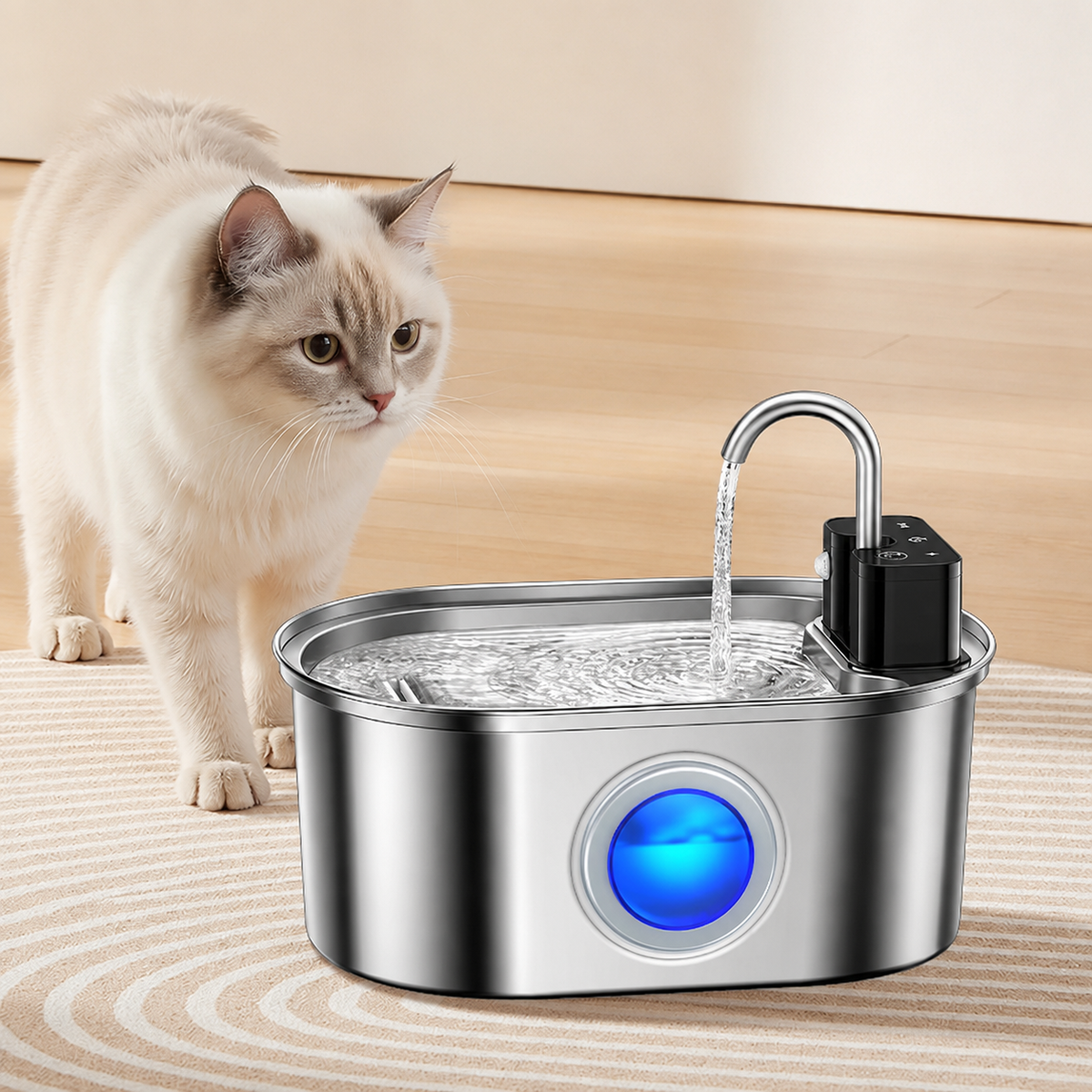
Keep multiple bowls of clean water throughout your home or consider using a pet water fountain, which encourages many cats to drink more frequently.
Wet food can also contribute to your cat's daily water intake.
Choose High Quality Nutrition
A nutritious diet is the foundation of lifelong health.
Look for complete and balanced cat foods that contain high-quality animal protein, essential vitamins, minerals, and healthy fats. Avoid frequent feeding of table scraps or excessive treats.
Healthy nutrition helps maintain muscle mass, immune function, and a shiny coat.
Adjust Feeding During Seasonal Changes
Weather conditions across the United States and Canada can affect your cat's appetite and activity.
Cats living in colder northern regions may become less active during long winters, while warmer climates can slightly reduce appetite during hot summer months.
Monitor your cat's body condition throughout the year and adjust portions only if recommended by your veterinarian.
Visit Your Local Veterinarian Regularly
Routine wellness exams help ensure your feeding routine continues to meet your cat's changing needs.
Veterinarians throughout the USA and Canada can recommend feeding schedules based on your cat's age, breed, medical history, and lifestyle.
Annual checkups also help detect obesity, diabetes, kidney disease, and dental problems early.
Watch for Signs of Overfeeding or Underfeeding
A healthy feeding routine keeps your cat energetic and maintains a stable weight.
If your cat is constantly begging for food, gaining excessive weight, losing weight unexpectedly, or becoming lethargic, consult your veterinarian before making significant dietary changes.
Regular monitoring helps prevent long-term health complications.
Use Feeding Time for Mental Enrichment
Meals don't have to be boring.
Puzzle feeders, slow feeders, and food-dispensing toys encourage natural hunting behaviors while slowing eating speed and providing valuable mental stimulation.
This approach is especially beneficial for indoor cats.
Frequently Asked Questions
How often should adult cats eat?
Most healthy adult cats do best with two meals per day, spaced approximately 10 to 12 hours apart.
Should I leave dry food out all day?
Free feeding may contribute to overeating and obesity, especially for indoor cats. Scheduled meals are generally recommended.
Is wet food better than dry food?
Both can be part of a healthy diet. Many veterinarians recommend combining wet and dry food to provide hydration while supporting dental health.
How do I know if I'm feeding too much?
Regular weight checks and body condition evaluations during veterinary visits are the best way to determine whether your cat is receiving the correct amount of food.
Conclusion
Knowing how often should you feed your cat is one of the most important parts of responsible pet ownership. Age, activity level, lifestyle, and overall health all influence the ideal feeding schedule.
For cat owners across the United States and Canada, combining scheduled meals, high-quality nutrition, portion control, and regular veterinary care helps support a long, healthy, and happy life for your feline companion.
Call to Action
How often do you feed your cat each day?
Share your experience in the comments, send this guide to fellow cat owners, and schedule a wellness exam with your local veterinarian to ensure your cat's feeding routine supports lifelong health.
Visit Pawvica for more expert cat care guides, trusted nutrition advice, and premium pet products designed to help your cat thrive every day.


