






Becoming a New Pet Parent is an exciting journey, especially when welcoming an indoor cat into your home. While indoor cats are generally safer than outdoor cats, they still need daily enrichment, proper nutrition, and plenty of mental stimulation to stay healthy and content.
If you live in the United States or Canada, seasonal weather often means cats spend even more time indoors. Knowing how to create an engaging environment can help prevent boredom, obesity, anxiety, and behavioral problems. These expert cat care tips will help your feline thrive every day.
Create Vertical Spaces to Explore
Cats naturally love climbing and observing their surroundings from above.
Install cat trees, wall-mounted shelves, or window perches that allow your cat to jump, climb, and rest comfortably. Vertical territory helps reduce stress while encouraging healthy exercise.
Even small apartments can benefit from multi-level climbing furniture.
Encourage Daily Interactive Play
Indoor cats still have strong hunting instincts.
Spend at least 15 to 30 minutes each day playing with feather wands, laser pointers (followed by a physical toy reward), toy mice, or interactive balls. Regular play reduces boredom and strengthens your bond.
Rotate toys every few days to keep them exciting.
Offer Plenty of Scratching Options
Scratching is a natural behavior that keeps claws healthy and allows cats to stretch their muscles.
Provide scratching posts made from sisal, cardboard, or wood in several areas of your home. Reward your cat when they use the correct scratching surfaces.
Avoid punishing scratching behavior. Instead, redirect it appropriately.
Keep Your Cat Mentally Stimulated
Mental enrichment is just as important as physical activity.
Puzzle feeders, treat-dispensing toys, scent games, and hide-and-seek activities encourage your cat to think and solve problems.
Changing toy locations and introducing new challenges regularly helps prevent boredom.
Feed a Balanced Diet and Monitor Weight
Indoor cats usually burn fewer calories than outdoor cats.
Choose a complete, high-quality diet that matches your cat's life stage and activity level. Measure portions carefully and avoid excessive treats to reduce the risk of obesity.
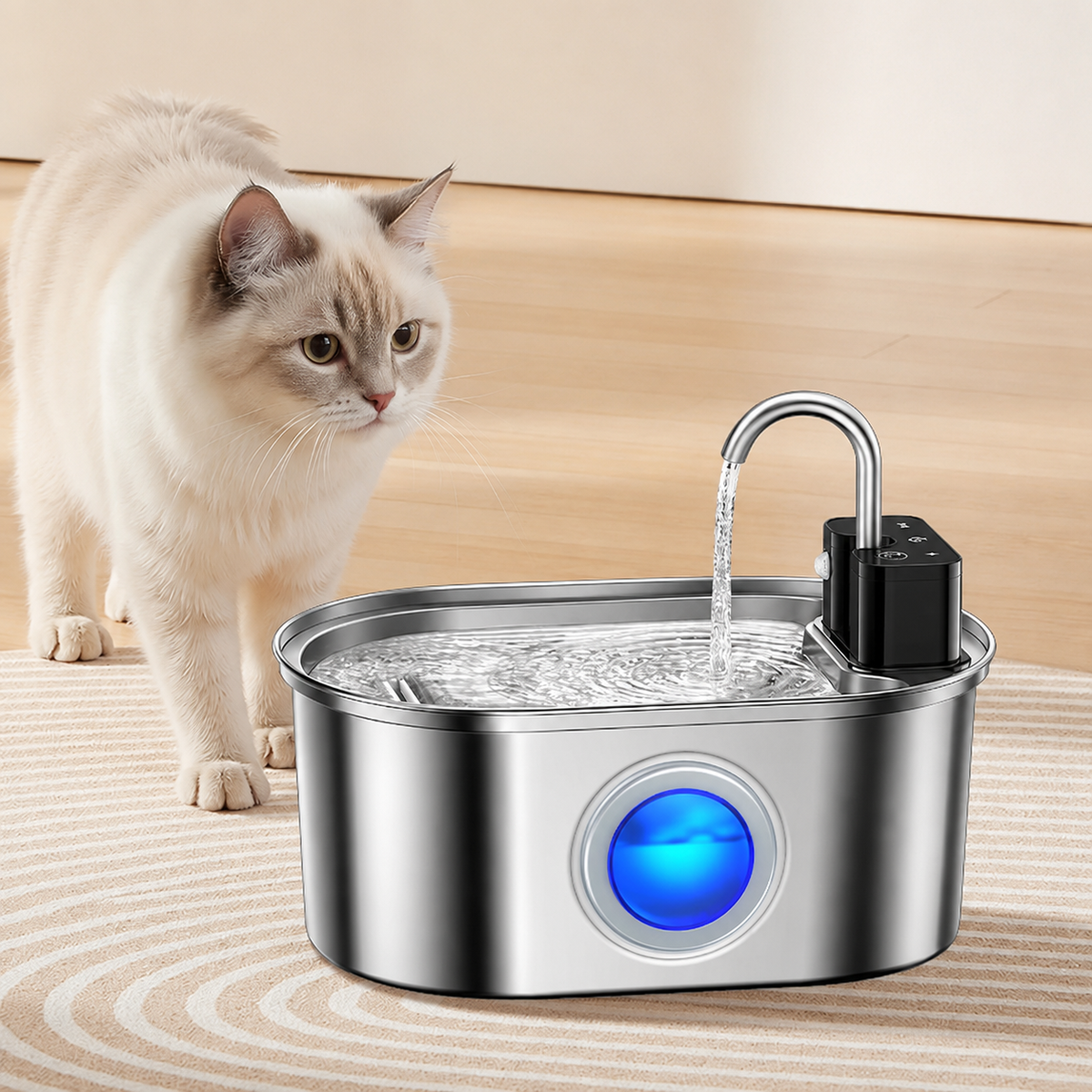
Always provide fresh drinking water.
Create Safe Window Views
Cats enjoy watching birds, squirrels, and outdoor activity.
Install sturdy window perches or cat hammocks where your pet can safely observe the outside world. Bird feeders placed outside windows can provide hours of natural entertainment.
Ensure all window screens are secure before allowing access.
Prepare for Seasonal Weather
Many areas across the USA and Canada experience cold winters, hot summers, or both.
During winter, create warm sleeping spots away from drafts. In warmer regions such as Texas, Arizona, or Southern California, keep your home cool and ensure constant access to fresh water.
Indoor cats may spend more time resting during extreme temperatures, making daily play even more important.
Schedule Preventive Veterinary Care
Even healthy indoor cats require regular veterinary visits.
Annual wellness exams, vaccinations, dental evaluations, parasite prevention, and routine blood work help identify health issues before symptoms appear.
Whether you live in New York, Toronto, Vancouver, Chicago, or Dallas, finding a trusted local veterinarian is one of the best investments you can make for your cat's long-term health.
Keep the Litter Box Clean
Cats are naturally clean animals and appreciate a tidy bathroom.
Scoop litter boxes daily and wash them regularly with mild soap and water. Most veterinarians recommend having one litter box per cat plus one extra.
A clean litter box reduces stress and encourages proper litter habits.
Give Your Cat Safe Places to Rest
Cats spend much of their day sleeping.
Provide quiet beds, blankets, enclosed cat caves, or elevated resting areas where your cat feels secure. Having multiple resting locations allows your pet to choose a comfortable environment throughout the day.
Peaceful resting spaces also help reduce household stress.
Consider Adopting a Companion
Some cats enjoy living with another compatible feline.
If your cat is social and your lifestyle allows it, adopting a second cat may provide companionship and additional play opportunities.
Always introduce new cats gradually to reduce territorial stress.
Frequently Asked Questions
Are indoor cats happier than outdoor cats?
Indoor cats often live longer because they avoid traffic, predators, diseases, and harsh weather. With proper enrichment, they can enjoy an excellent quality of life.
How much playtime does an indoor cat need?
Most cats benefit from 15 to 30 minutes of interactive play daily, divided into two or three shorter sessions.
Can indoor cats become overweight?
Yes. Limited activity combined with overfeeding is one of the leading causes of obesity in indoor cats.
Do indoor cats still need vaccinations?
Yes. Indoor cats should still receive veterinary examinations and vaccinations based on your veterinarian's recommendations.
Conclusion
Learning how to keep your indoor cat happy is about creating a stimulating, safe, and loving environment every day. Regular exercise, mental enrichment, balanced nutrition, and preventive veterinary care all contribute to a healthier and more fulfilled feline companion.
Whether you're caring for a kitten in the United States or an adult rescue cat in Canada, these simple habits can significantly improve your cat's quality of life for years to come.
Call to Action
How do you keep your indoor cat entertained?
Share your favorite enrichment ideas in the comments, send this guide to fellow cat owners, and schedule your cat's next wellness check with a trusted veterinarian in your local USA or Canada community.
Visit Pawvica for more expert cat care articles, practical pet wellness advice, and premium products designed to help indoor cats live happier, healthier lives.


