




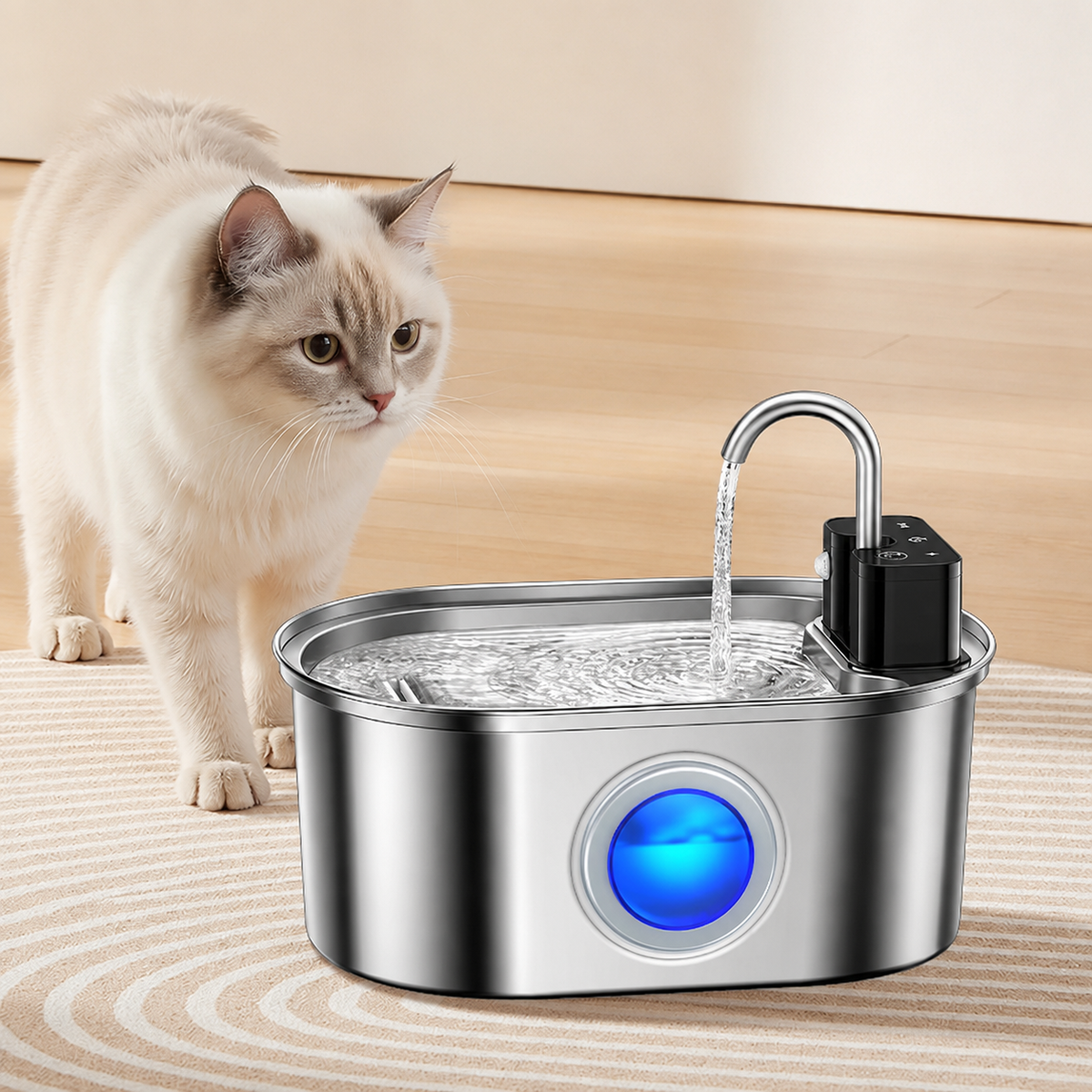


Cats are experts at hiding discomfort, making it difficult for many owners to recognize when something is wrong. If you're a New Pet Parent, learning to identify early warning signs can make a significant difference in your cat's health and recovery.
Whether you live in the United States or Canada, routine observation is one of the most important responsibilities of pet ownership. While every cat behaves differently, understanding common symptoms can help you seek veterinary care before minor issues become serious. Many of these habits also align with Essential Dog Care Tips, as preventive care and close observation are valuable for every pet, including those practicing responsible chăm sóc chó.
Changes in Appetite
A healthy cat usually maintains a consistent eating routine.
If your cat suddenly refuses food, eats significantly less, or begins overeating, it may indicate dental disease, digestive problems, infections, kidney disease, or other medical conditions.
Loss of appetite lasting longer than 24 hours should always be evaluated by a veterinarian.
Drinking More or Less Water
Changes in water consumption are often overlooked.
Excessive thirst may be associated with diabetes or kidney disease, while drinking much less than normal can lead to dehydration.
Monitor your cat's water intake regularly, especially as they age.
Unusual Weight Loss or Weight Gain
Gradual body changes can reveal underlying illness.
Unexpected weight loss may indicate thyroid disease, digestive disorders, parasites, or chronic illness.
Rapid weight gain could signal reduced activity or nutritional imbalance that deserves attention.
Low Energy and Increased Sleeping
Cats naturally enjoy sleeping, but dramatic changes deserve attention.
If your normally playful cat becomes unusually tired, avoids interaction, or hides more than usual, illness or pain may be contributing factors.
Pay attention to changes that last more than a day or two.
Vomiting or Diarrhea
Occasional hairballs are common, but frequent vomiting is not.
Persistent vomiting, diarrhea, or blood in stool should never be ignored because these symptoms may indicate poisoning, infections, digestive disease, or intestinal blockage.
Seek veterinary care promptly if symptoms continue.
Difficulty Breathing
Healthy cats breathe quietly and comfortably.
Open-mouth breathing, persistent coughing, wheezing, or rapid breathing require immediate veterinary attention.
Respiratory problems should always be treated as medical emergencies.
Changes in Grooming Habits
Cats spend a large portion of each day grooming.
If your cat suddenly stops grooming, develops a greasy coat, or begins excessive licking that creates bald patches, stress, allergies, parasites, skin disease, or pain may be responsible.
Routine grooming also allows owners to notice lumps, skin irritation, or injuries earlier.
Problems Using the Litter Box
Changes in litter box behavior often indicate health concerns.
Frequent urination, straining, blood in urine, accidents outside the litter box, or constipation may signal urinary tract disease or digestive problems.
Male cats experiencing urinary blockage require emergency treatment immediately.
Behavioral Changes
Cats communicate through behavior.
Increased aggression, hiding, vocalizing, confusion, or unusual clinginess may indicate pain, illness, anxiety, or neurological conditions.
Knowing your cat's normal personality makes it easier to notice subtle changes.
Seasonal Health Risks Across the USA and Canada
Climate plays an important role in feline health.
During cold Canadian winters and northern U.S. states, indoor heating can contribute to dehydration and dry skin. In warmer states such as Florida, Texas, Arizona, and California, overheating and dehydration become greater concerns.
Providing fresh water, maintaining comfortable indoor temperatures, and scheduling seasonal wellness exams are important preventive measures.
Build a Relationship With a Trusted Veterinarian
Every New Pet Parent should establish care with a local veterinary clinic before an emergency occurs.
Routine wellness exams help detect illnesses earlier, update vaccinations, and monitor long-term health.
Pet owners throughout the United States can locate licensed veterinarians through the American Veterinary Medical Association (AVMA), while Canadian families can find professionals through the Canadian Veterinary Medical Association (CVMA).
Safe Outdoor Exploration
Some cats enjoy supervised outdoor activities.
If you live in pet-friendly communities across the USA or Canada, consider enclosed catios or leash training instead of allowing free roaming.
These options reduce exposure to traffic, wildlife, parasites, and infectious diseases while providing healthy enrichment.
Everyday Habits That Keep Your Cat Healthy
Healthy routines help prevent illness before it starts.
- Schedule annual veterinary wellness exams.
- Feed a complete and balanced diet.
- Provide clean drinking water every day.
- Brush your cat regularly.
- Keep vaccinations current.
- Maintain parasite prevention.
- Clean the litter box daily.
- Encourage regular exercise and play.
- Watch for changes in appetite, behavior, or grooming.
- Give your cat a calm and stress-free environment.
These preventive habits benefit every pet owner and complement Essential Dog Care Tips, supporting responsible pet ownership alongside chăm sóc chó.
Frequently Asked Questions
How do I know if my cat is seriously ill?
Persistent vomiting, difficulty breathing, inability to urinate, severe lethargy, seizures, collapse, or sudden behavior changes require immediate veterinary care.
Is hiding always a sign of illness?
Not always. Cats sometimes hide when stressed, but prolonged hiding combined with appetite loss or reduced activity should be evaluated by a veterinarian.
How often should my cat visit the veterinarian?
Healthy adult cats should receive a wellness examination at least once a year. Senior cats and those with chronic medical conditions often benefit from more frequent visits.
Should I wait to see if my cat gets better?
Cats often hide illness until symptoms become advanced. If you notice significant behavioral or physical changes lasting more than a day, schedule a veterinary appointment promptly.
Final Thoughts
Recognizing the Signs Your Cat May Be Sick allows you to act quickly and provide your feline companion with the care they need. Small changes in appetite, behavior, grooming, or energy levels can be early indicators of larger health concerns, making regular observation one of the most valuable habits for any pet owner.
Whether you're a New Pet Parent in the United States or Canada, combining routine wellness exams with daily observation creates the best foundation for a long, healthy life. Alongside proven Essential Dog Care Tips and responsible chăm sóc chó, preventive healthcare remains the key to helping every pet thrive.
Have you ever noticed subtle signs that helped you catch a health problem early? Share your experience in the comments, help other pet owners by sharing this guide, and remember to schedule regular checkups with a trusted local veterinarian to keep your cat happy and healthy.


