


Welcoming a dog into your home is an exciting journey, but every New Pet Parent quickly discovers that pet odors can become part of everyday life. Whether it's wet fur after a walk, lingering smells from bedding, or occasional accidents, keeping your home fresh doesn't have to mean using harsh chemicals.
If you're new to chăm sóc chó, you'll be happy to know that many natural cleaning methods are both effective and safe for your furry companion. Whether you live in the humid southern United States, a rainy Pacific Northwest city, or a snowy Canadian province, these Essential Dog Care Tips will help you eliminate odors naturally while creating a healthier home.
Understand Where Pet Odors Come From
Before treating odors, identify their source.
Common causes include:
- Dirty dog beds
- Wet fur
- Paw dirt
- Food spills
- Urine accidents
- Poor ventilation
- Dirty grooming tools
Removing the source is always more effective than simply covering up odors.
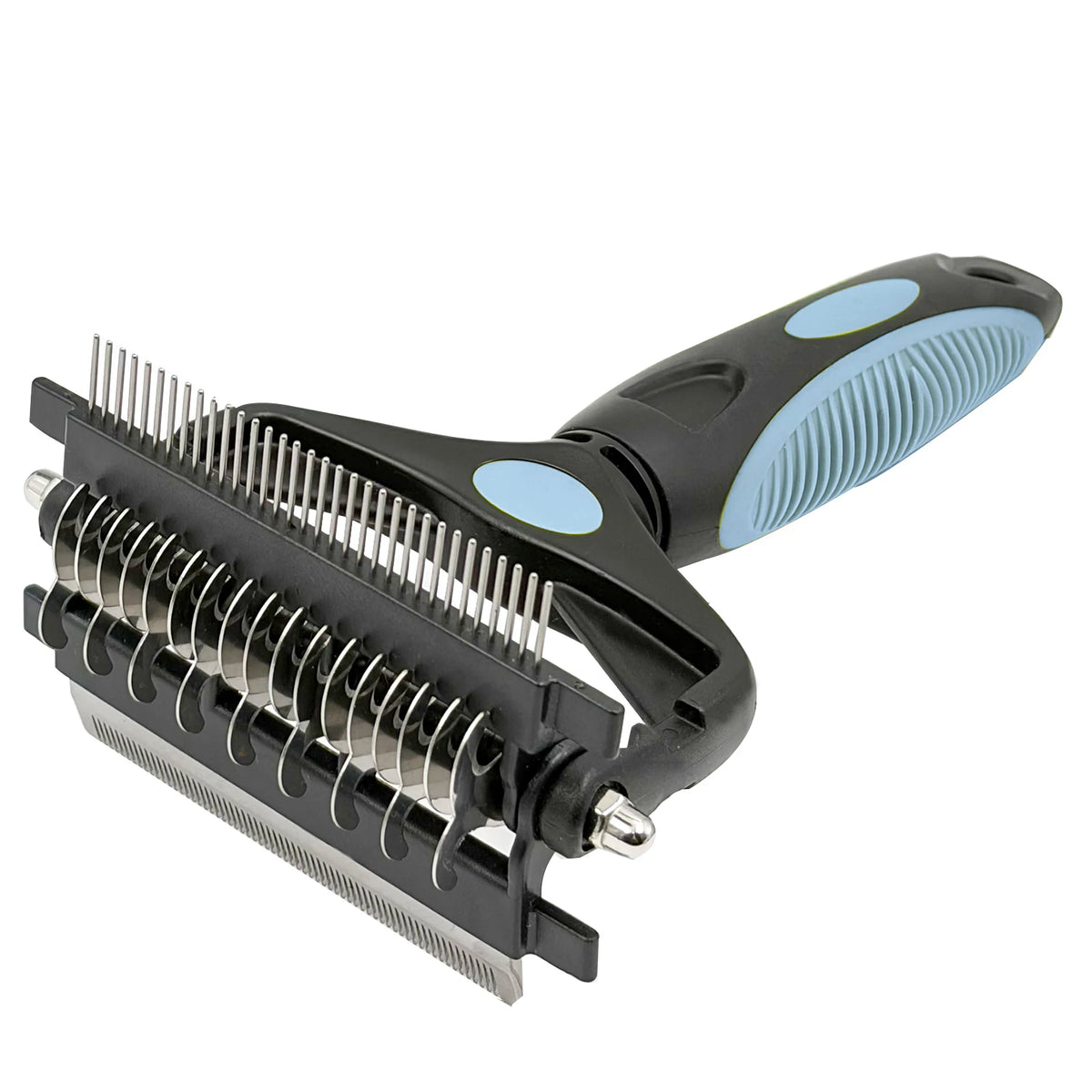
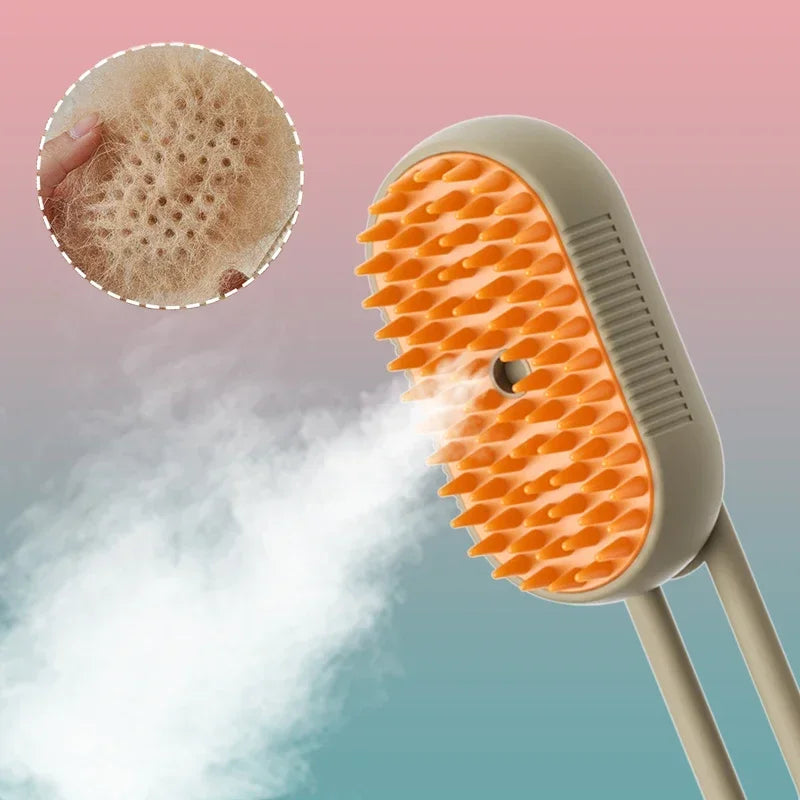
Brush Your Dog Regularly
One of the easiest Essential Dog Care Tips is regular grooming.
Loose fur, dead skin, and trapped dirt all contribute to unpleasant smells. Brushing your dog several times each week helps:
- Reduce shedding
- Remove debris
- Improve coat health
- Increase air circulation through the coat
- Keep natural oils evenly distributed
A self-cleaning slicker brush makes this routine faster and easier.
Wash Bedding Every Week
Dog beds absorb:
- Body oils
- Saliva
- Dirt
- Dander
- Outdoor odors
Wash removable covers weekly using fragrance-free, pet-safe detergent.
Allow bedding to dry completely before use to prevent mildew.
Use Baking Soda for Carpets and Rugs
Baking soda is one of the safest natural odor absorbers.
Simply:
- Sprinkle lightly over carpets or rugs.
- Let it sit for 20–30 minutes.
- Vacuum thoroughly.
This helps neutralize odors instead of masking them.
Always keep your dog away until the area has been vacuumed completely.
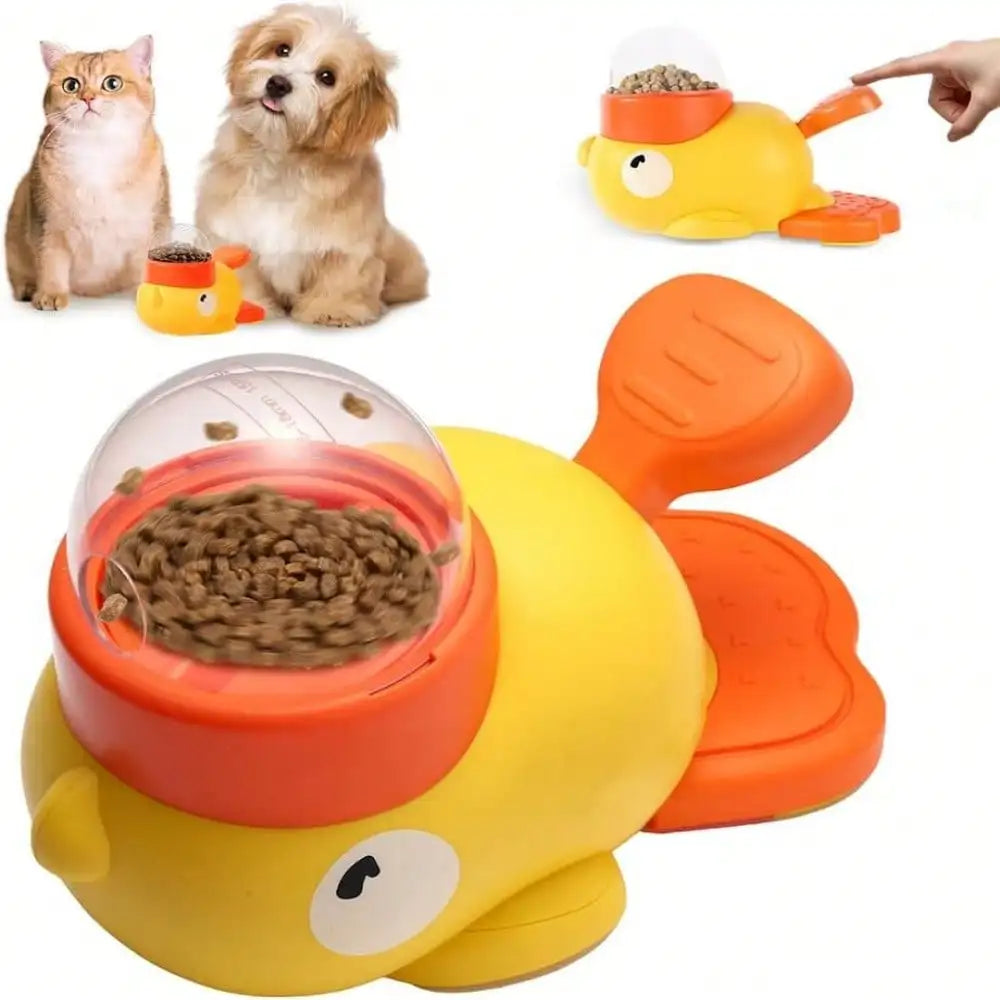
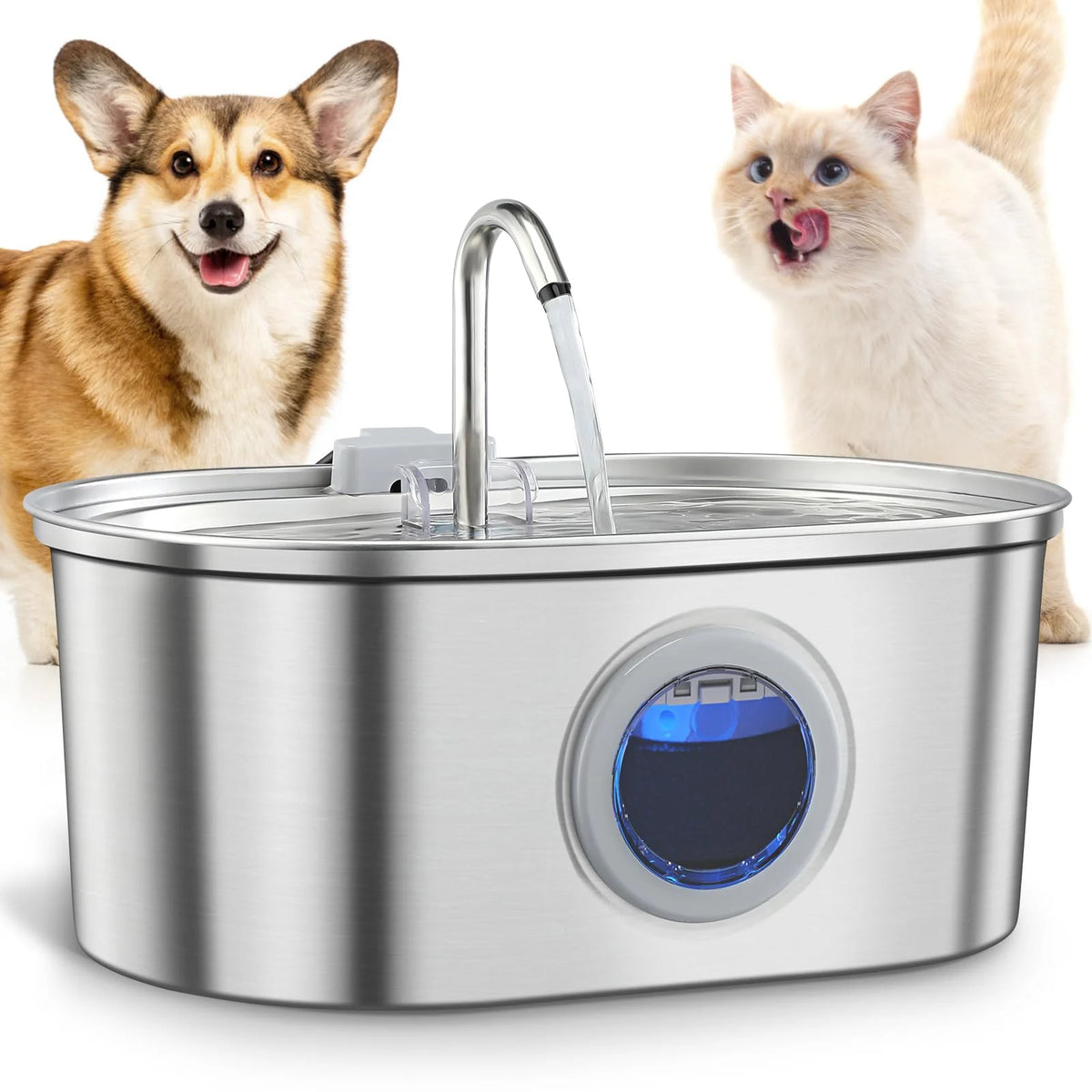
Clean Food and Water Bowls Daily
Food residue quickly becomes a source of odor.
Wash bowls every day using warm water and mild dish soap.
Fresh water should also be replaced at least twice daily to prevent bacteria growth.
Improve Air Circulation
Fresh air naturally removes lingering smells.
Whenever weather allows:
- Open windows.
- Use ceiling fans.
- Run exhaust fans.
- Replace HVAC filters regularly.
Homes with better ventilation usually experience fewer persistent pet odors.
Adjust Your Routine for Local Weather
Climate plays a major role in odor control.
In humid U.S. states such as Florida, Louisiana, and Georgia, moisture can cause wet dog smells to linger longer. Dry your dog's coat thoroughly after walks or swimming.
During Canadian winters and colder northern U.S. regions, melted snow, road salt, and wet boots often increase indoor moisture. Keep absorbent mats by entrances and dry your dog's paws after every outdoor trip.
Adapting your cleaning routine to local weather is an important part of chăm sóc chó.
Clean Accidents Immediately
Accidents happen, especially with puppies or senior dogs.
Use enzyme-based cleaners designed for pet stains. These cleaners break down odor-causing compounds instead of covering them up.
Avoid products containing ammonia, as they may encourage repeat marking.
Freshen Upholstery Naturally
Furniture often traps pet odors.
Vacuum sofas weekly using an upholstery attachment.
Wash removable covers regularly and place washable blankets on your dog's favorite resting spots.
These simple habits significantly reduce lingering smells.
Keep Grooming Tools Clean
Dirty brushes spread oils and debris back onto your dog's coat.
After grooming:
- Remove trapped fur.
- Wash the brush with warm water.
- Let it dry completely.
Clean grooming tools help keep your dog—and your home—smelling fresher.
Wipe Paws After Every Walk
Outdoor dirt is one of the biggest contributors to indoor odors.
Create a simple cleaning station near your door with:
- Soft towels
- Pet-safe wipes
- Paw-cleaning cup
- Washable mat
This habit is especially useful during rainy seasons in the Pacific Northwest and muddy spring months across Canada.
Bathe Your Dog Only When Necessary
Bathing too frequently can dry out your dog's skin and actually increase odor over time.
Most healthy dogs only need baths every four to eight weeks, depending on breed, coat type, and activity level.
Ask your veterinarian for recommendations based on your dog's specific needs.
Control Moisture Throughout Your Home
Odors thrive in damp environments.
To reduce humidity:
- Use a dehumidifier in basements.
- Dry wet towels promptly.
- Wash muddy blankets immediately.
- Keep pet sleeping areas dry.
This is particularly beneficial in coastal regions of both the United States and Canada.
Schedule Regular Veterinary Checkups
Persistent body odor may sometimes indicate an underlying health issue.
Skin infections, dental disease, ear infections, or digestive problems can all contribute to unpleasant smells.
Every New Pet Parent should establish a relationship with a trusted local veterinarian and know the location of the nearest emergency animal hospital.
Routine wellness exams help detect these issues early.
Build a Daily Fresh-Home Routine
Small daily habits create lasting results.
Spend just 10 minutes each day:
- Brush your dog.
- Replace fresh water.
- Vacuum visible fur.
- Wipe paws.
- Air out your home.
- Wash food bowls.
Consistency is far more effective than occasional deep cleaning.
Quick Natural Odor Control Checklist
Ask yourself each day:
- Did I brush my dog today?
- Are food and water bowls clean?
- Is bedding fresh?
- Have I wiped muddy paws?
- Did I vacuum high-traffic areas?
- Is my home well ventilated?
- Did I clean accidents immediately?
Checking these simple tasks helps keep your home fresh naturally.
Final Thoughts
A clean-smelling home doesn't require harsh chemicals or expensive products. By following these Essential Dog Care Tips, every New Pet Parent can eliminate pet odors naturally while creating a healthier environment for both pets and people.
If you live in the United States or Canada, remember that seasonal weather—from humid summers to snowy winters—can affect odor control. Adjust your routine to your local climate, groom your dog regularly, and don't overlook routine veterinary care as part of responsible chăm sóc chó.
What natural odor-fighting tip works best in your home? Share your experience in the comments below, and help fellow pet parents by sharing this guide. If you notice persistent or unusual odors coming from your dog, schedule a wellness visit with a trusted local veterinarian to rule out any underlying health concerns and keep your best friend feeling their best


