




Welcoming a dog or cat into your family is an exciting adventure, but creating a safe home is one of the most important responsibilities every New Pet Parent should prioritize. Curious pets naturally explore their surroundings, often without recognizing potential dangers that humans easily overlook.
Whether you live in a downtown apartment in New York, a suburban home in Toronto, or a rural community in Alberta or Texas, pet-proofing your home helps prevent injuries and creates a comfortable environment where both dogs and cats can thrive. These Essential Dog Care Tips will help make chăm sóc chó and cat care safer, easier, and more enjoyable.
Secure Cleaning Products and Household Chemicals
Many common household cleaners contain ingredients that can be harmful to pets.
Store these items inside locked cabinets or high shelves:
- Bleach
- Laundry detergent
- Dishwasher pods
- Disinfectants
- Drain cleaners
- Automotive fluids
Choose pet-safe cleaning products whenever possible, especially in homes with curious puppies and kittens.
Keep Human Foods Out of Reach
Many foods that are safe for people are toxic to pets.
Avoid allowing dogs or cats access to:
- Chocolate
- Grapes and raisins
- Onions
- Garlic
- Xylitol sweeteners
- Alcohol
- Coffee
- Macadamia nuts
Always clean kitchen counters after meal preparation and secure garbage cans with tight-fitting lids.
Protect Electrical Cords and Cables
Young pets often chew on exposed wires.
Reduce the risk by:
- Using cable covers.
- Securing cords behind furniture.
- Unplugging unused electronics.
- Keeping chargers off the floor.
This simple step helps prevent serious electrical injuries.
Create Separate Safe Spaces
Dogs and cats both benefit from having a quiet area where they can relax.
Provide:
- Comfortable bedding.
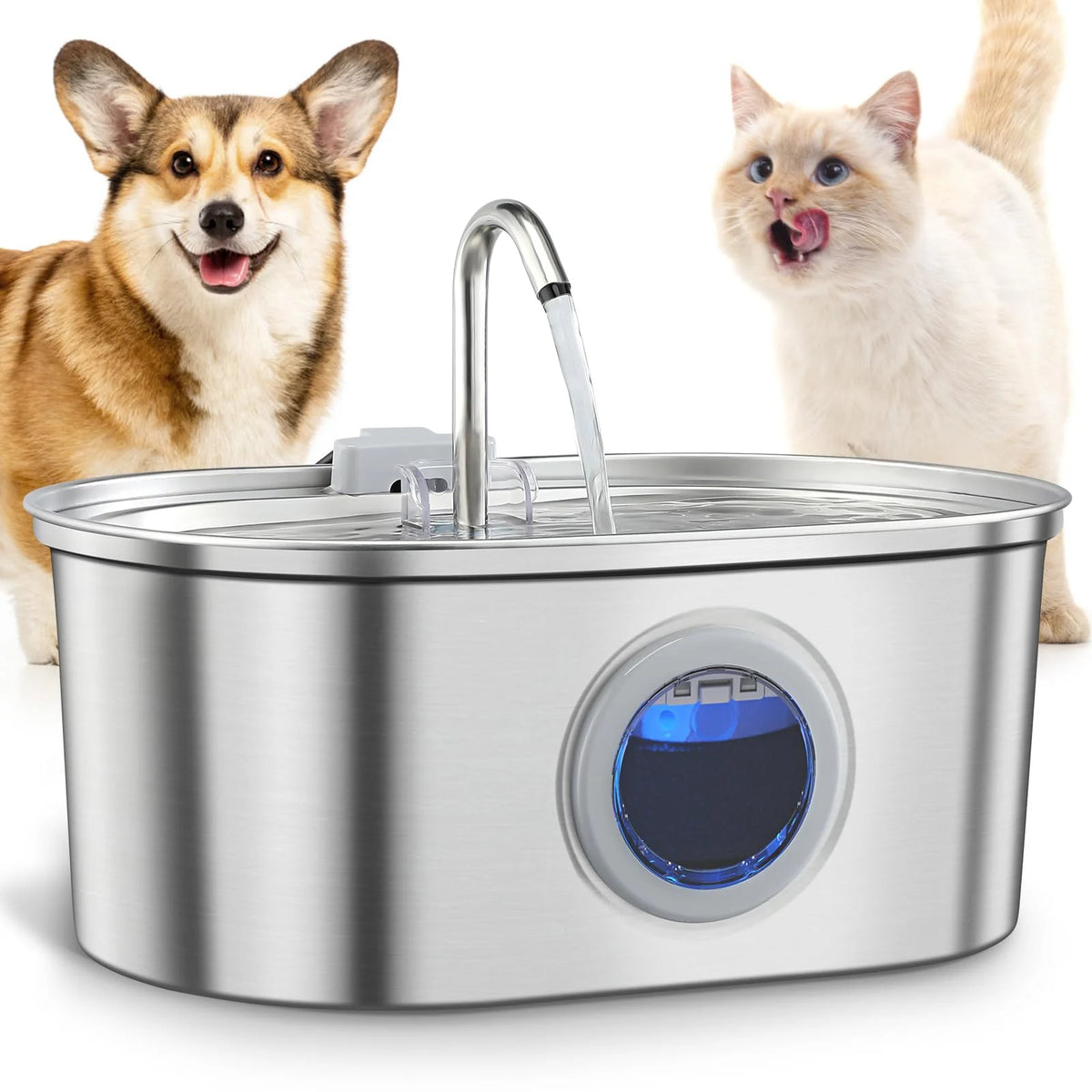
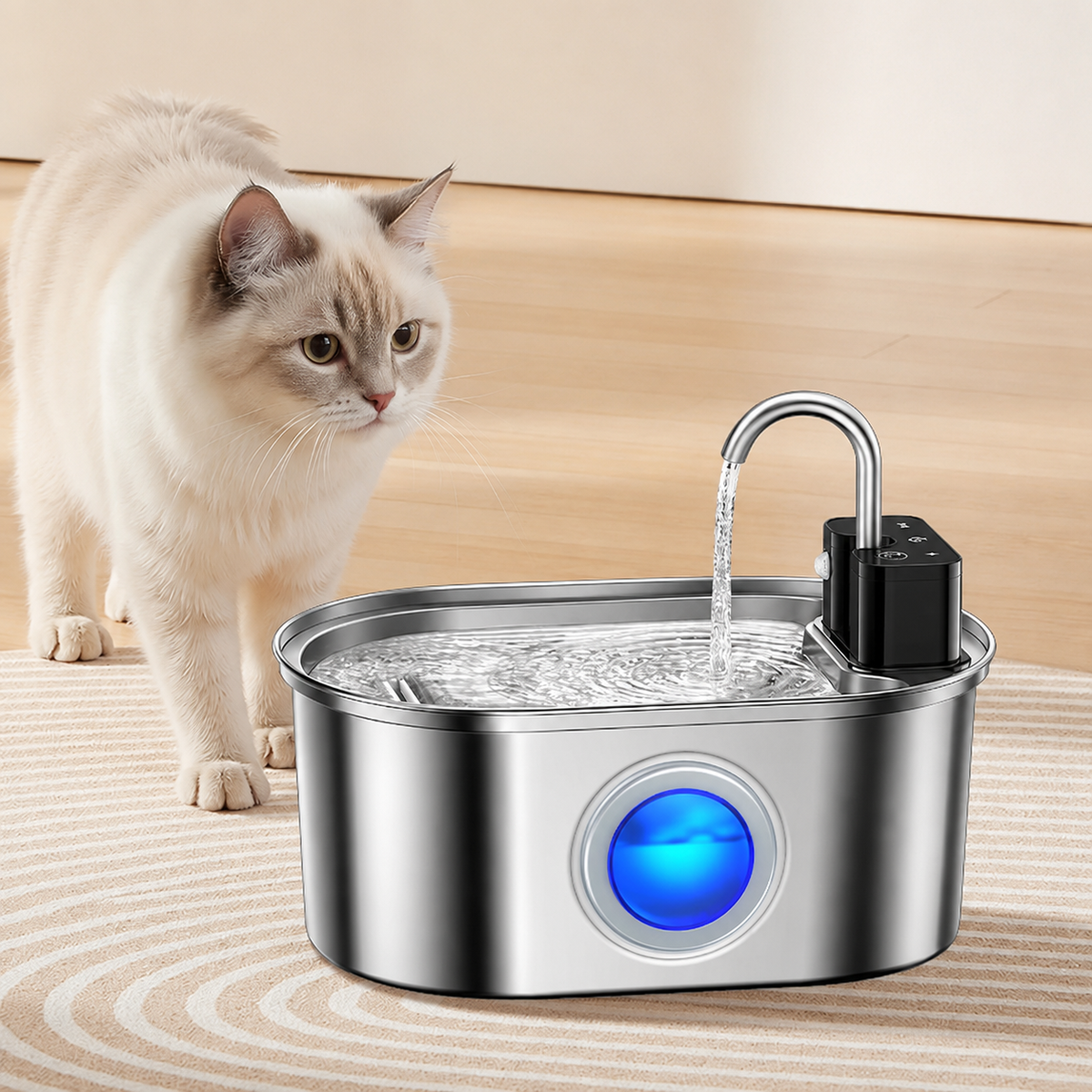
- Fresh water.
- Favorite toys.
- Low noise.
- Easy access to family without constant interruptions.
A dedicated safe space helps reduce anxiety during storms, fireworks, or busy gatherings.
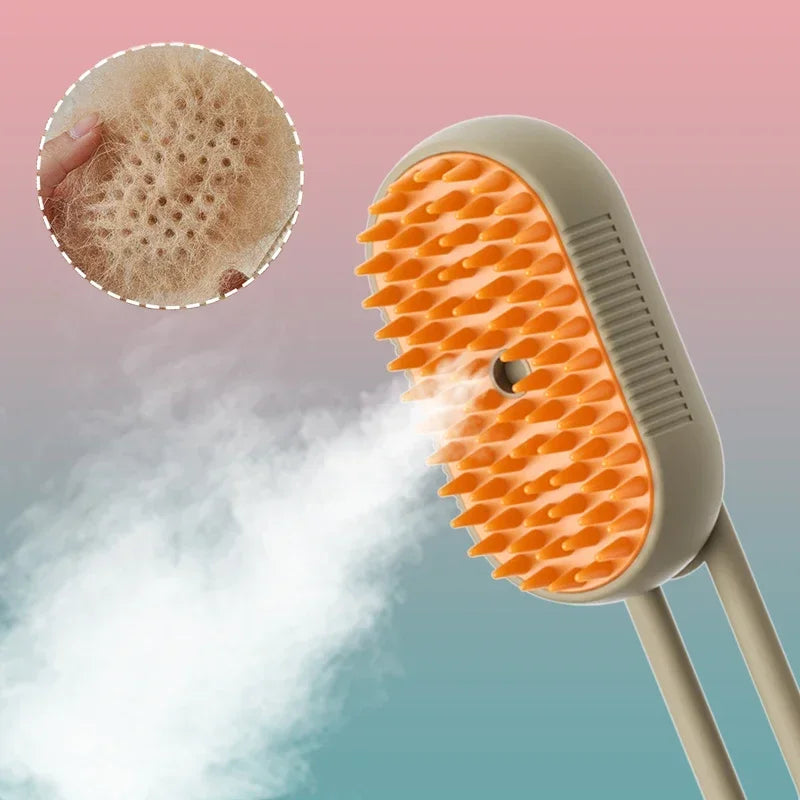
Groom Your Pets Regularly
Routine grooming contributes to both cleanliness and safety.
Brushing helps:
- Remove loose fur.
- Reduce shedding.
- Prevent painful mats.
- Detect ticks or skin problems early.
- Improve circulation.
Using a quality self-cleaning slicker brush makes grooming easier for both dogs and long-haired cats.
Choose Pet-Safe Houseplants
Some popular indoor plants can be toxic.
Avoid or keep out of reach:
- Lilies
- Sago palms
- Aloe vera
- Pothos
- Dieffenbachia
- Philodendron
Before bringing new plants home, confirm they are safe for both dogs and cats.
Prevent Slips and Falls
Hardwood, laminate, and tile floors can become slippery.
Improve traction with:
- Washable rugs.
- Non-slip runners.
- Pet-friendly mats.
Older pets especially benefit from better footing around the home.
Adjust Your Home for Seasonal Weather
Weather conditions across the United States and Canada vary dramatically throughout the year.
During snowy Canadian winters and northern U.S. states, wipe paws after every walk to remove road salt and ice-melting chemicals that may irritate paw pads.
In warmer climates such as Florida, Arizona, and Southern California, ensure pets always have access to cool indoor spaces, shade, and fresh drinking water to prevent heat stress.
Seasonal adjustments are an important part of responsible chăm sóc chó.
Secure Windows, Balconies, and Backyards
Open windows and balconies can present unexpected risks.
Install secure screens and check that fencing is free of gaps where pets could escape.
If your backyard includes a pool, always supervise pets around water and consider installing a pet safety ramp.
Store Medications Safely
Prescription medications, vitamins, and supplements should never be left on countertops or bedside tables.
Even small amounts of certain medications can be dangerous to pets.
Keep all medications inside secure cabinets.
Build an Emergency Pet Kit
Every New Pet Parent should prepare for unexpected situations.
Include:
- Pet first-aid supplies.
- Extra food.
- Bottled water.
- Medications.
- Vaccination records.
- Microchip information.
- Emergency contact numbers.
Being prepared saves valuable time during emergencies.
Find Trusted Local Veterinary Care
Before an emergency happens, identify:
- Your regular veterinarian.
- The nearest 24-hour emergency animal hospital.
- Local animal shelters.
- Emergency pet poison resources.
Whether you live in the U.S. or Canada, having these contacts readily available provides peace of mind.
Visit Safe Dog Parks and Cat-Friendly Outdoor Spaces
Exercise and enrichment are essential.
Many communities throughout North America offer:
- Dog parks.
- Pet-friendly hiking trails.
- Outdoor cafés.
- Walking paths.
- Community pet events.
Choose locations with secure fencing, clean facilities, and responsible pet owners.
Cats exploring outdoors should do so only under safe supervision, such as with a harness or within enclosed "catio" spaces.
Maintain a Consistent Cleaning Routine
A clean home is a safer home.
Daily tasks include:
- Washing food bowls.
- Replacing fresh water.
- Vacuuming pet hair.
- Cleaning litter boxes.
- Wiping muddy paws.
- Sanitizing frequently used pet items.
Consistency helps reduce bacteria, odors, and allergens.
Observe Changes in Behavior
Behavior often provides early warning signs of illness or stress.
Contact your veterinarian if your pet shows:
- Loss of appetite.
- Excessive scratching.
- Lethargy.
- Hiding.
- Vomiting.
- Persistent coughing.
- Sudden aggression.
Early treatment often leads to better outcomes.
Daily Home Safety Checklist
Take a few minutes each day to confirm:
- Cleaning supplies are stored safely.
- Fresh water is available.
- Food is stored securely.
- Electrical cords are protected.
- Floors are free of hazards.
- Paws are clean after outdoor walks.
- Beds and litter areas are clean.
- Your pet has received exercise and attention.
These simple habits create a healthier and safer environment every day.
Final Thoughts
Keeping your home safe for dogs and cats isn't about perfection—it's about creating a space where your pets can explore, rest, and play without unnecessary risks. By following these Essential Dog Care Tips, every New Pet Parent can provide a secure, loving home that supports long-term health and happiness.
If you live in the United States or Canada, remember to adapt your home for seasonal weather, research trusted veterinary clinics and emergency animal hospitals in your community, and take advantage of local pet-friendly parks and outdoor spaces. Safe surroundings, preventive care, and consistent routines are the foundation of successful chăm sóc chó and responsible pet ownership.
How have you pet-proofed your home? Share your favorite safety tips in the comments below, and help fellow pet parents by sharing this guide. If it's been a while since your dog or cat had a wellness exam, schedule a visit with a trusted local veterinarian to ensure your furry family members stay healthy, safe, and happy for years to come.


