



Every season brings new adventures for your furry companion—and new responsibilities for you. As a New Pet Parent, understanding how changing weather affects your dog's health is one of the most valuable steps you can take. From freezing Canadian winters to the hot summers of the southern United States, every climate presents unique challenges.
The good news is that keeping your pet comfortable throughout the year doesn't have to be complicated. With a few adjustments to your daily routine and these Essential Dog Care Tips, you'll be well prepared to provide excellent chăm sóc chó regardless of the season.
Spring: Prepare for Allergy and Flea Season
Spring is one of the busiest times for pet owners.
As temperatures rise across the U.S. and Canada, fleas, ticks, and seasonal allergens become more active.
During spring, remember to:
- Begin flea and tick prevention.
- Check your dog's coat after outdoor walks.
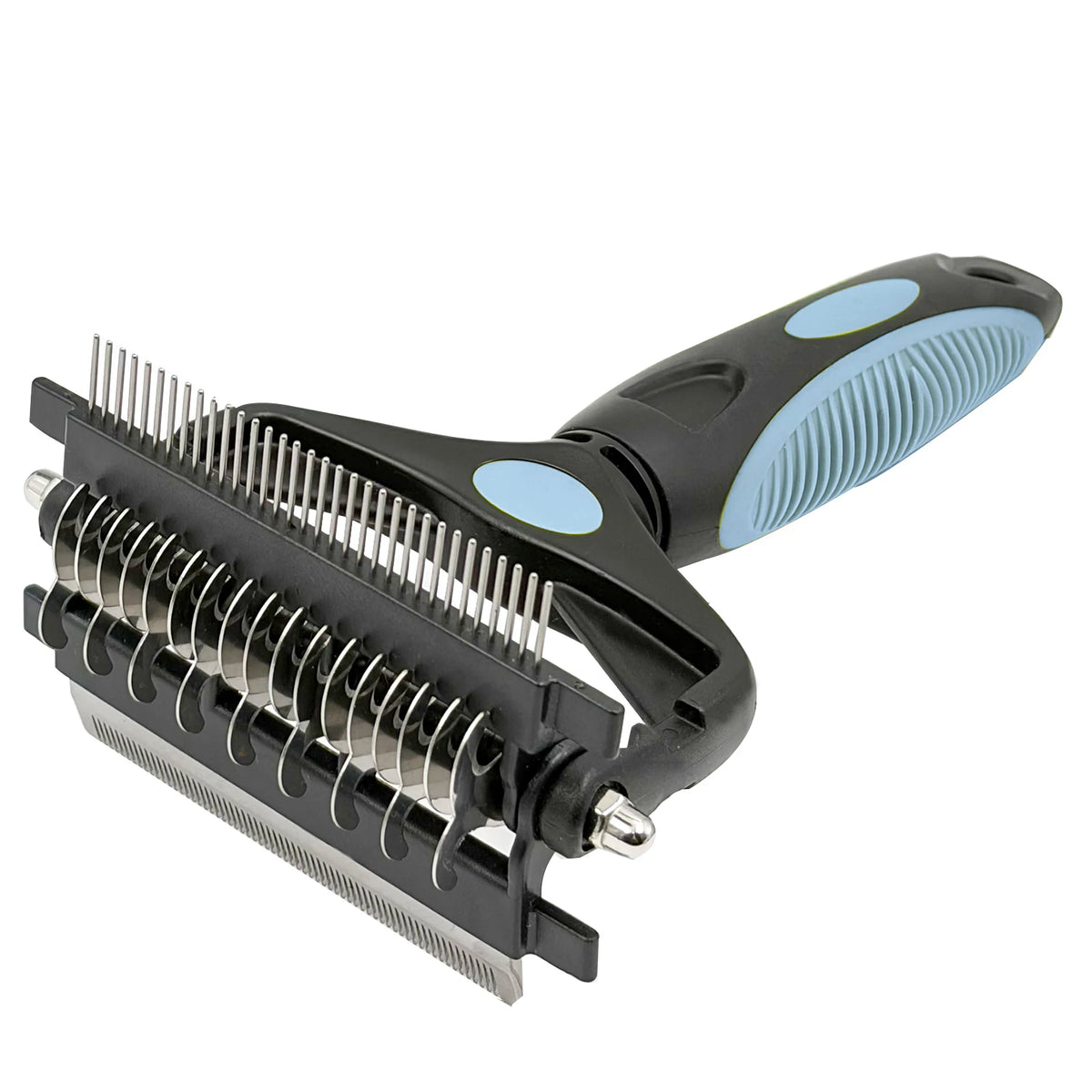
- Brush regularly to remove loose winter fur.
- Keep paws clean after muddy adventures.
- Watch for signs of seasonal allergies.
Early prevention keeps your dog healthier throughout the warmer months.
Spring Grooming Helps Reduce Shedding
Many dogs shed heavily after winter.
Regular brushing helps:
- Remove loose undercoat.
- Improve skin circulation.
- Reduce hair around your home.
- Prevent painful mats.
- Keep the coat healthy.
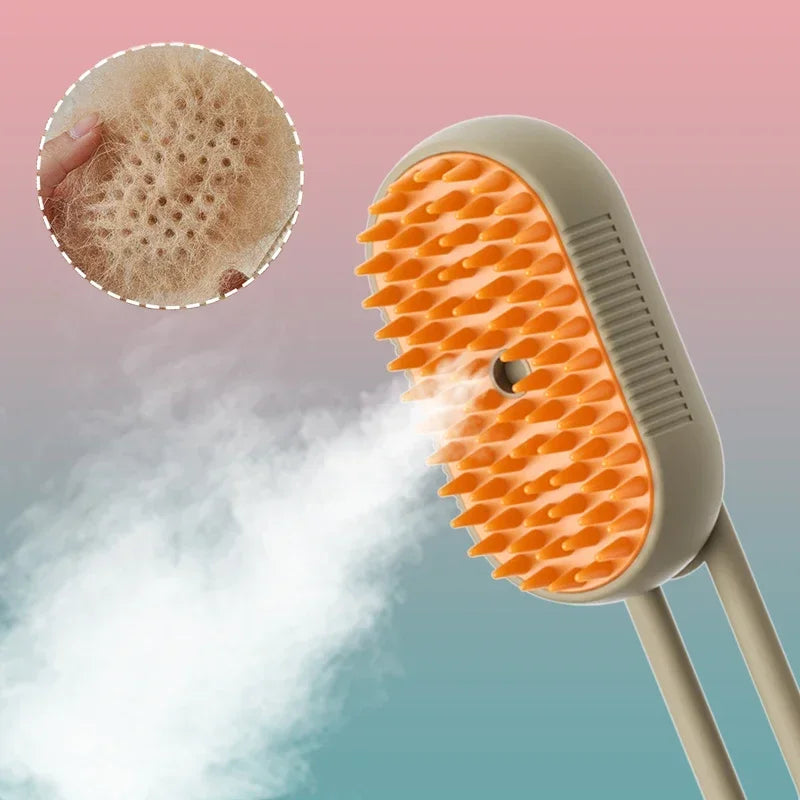
Using a self-cleaning slicker brush makes spring grooming faster and more comfortable for both pets and owners.
Summer: Prevent Heat Exhaustion
Hot weather can become dangerous surprisingly quickly.
If you live in warm U.S. states like Florida, Texas, Arizona, California, or Nevada, avoid walking during the hottest part of the day.
Instead:
- Walk early in the morning.
- Choose evening walks after sunset.
- Carry fresh drinking water.
- Rest frequently in shaded areas.
- Never leave pets inside parked vehicles.
Heatstroke is a medical emergency and requires immediate veterinary attention.
Protect Paws from Hot Pavement
Sidewalks and asphalt become extremely hot during summer.
Before walking your dog, place the back of your hand on the pavement for several seconds.
If it's too hot for your hand, it's too hot for your dog's paws.
Consider:
- Walking on grass.
- Using dog boots.
- Applying paw balm before walks.
Stay Hydrated All Summer Long
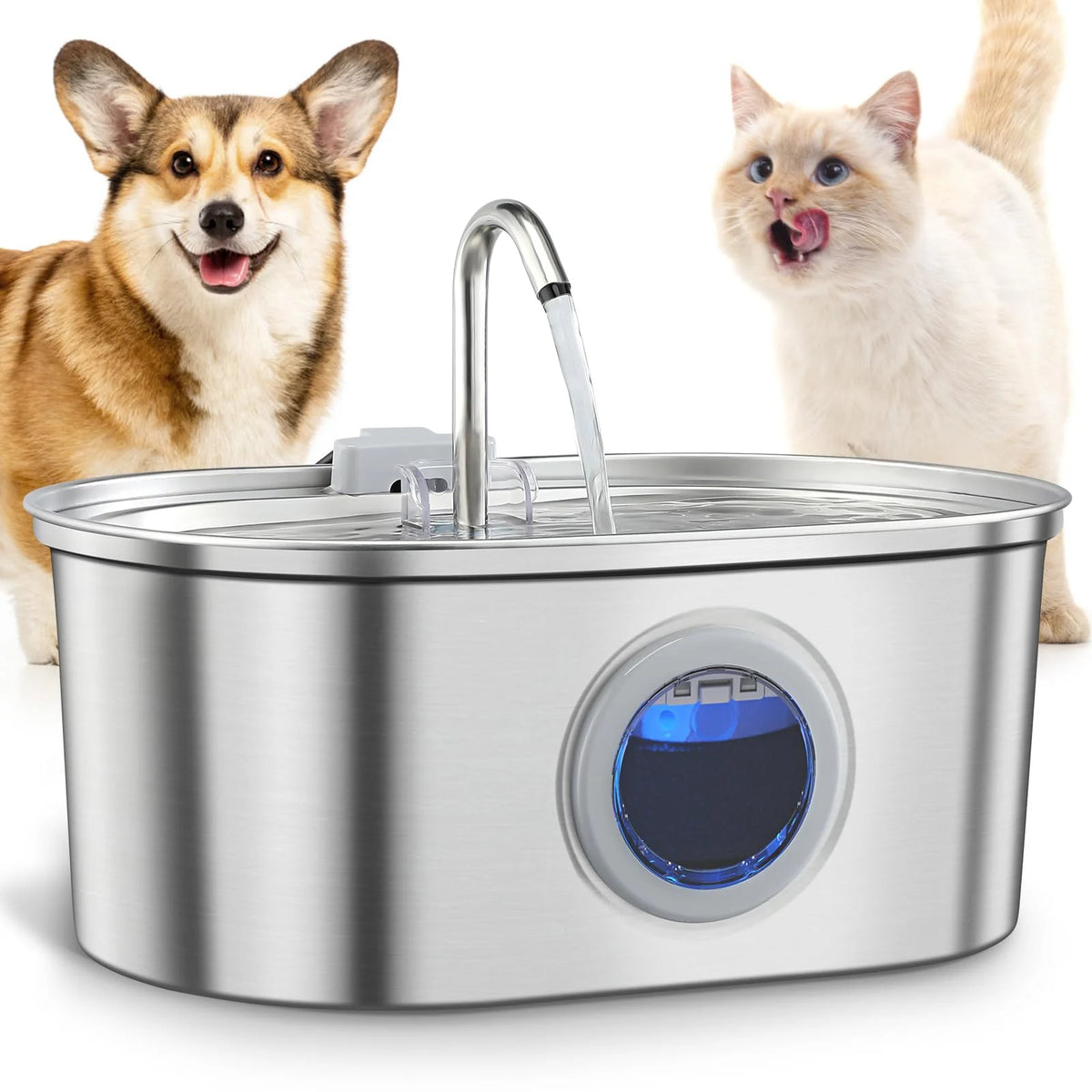
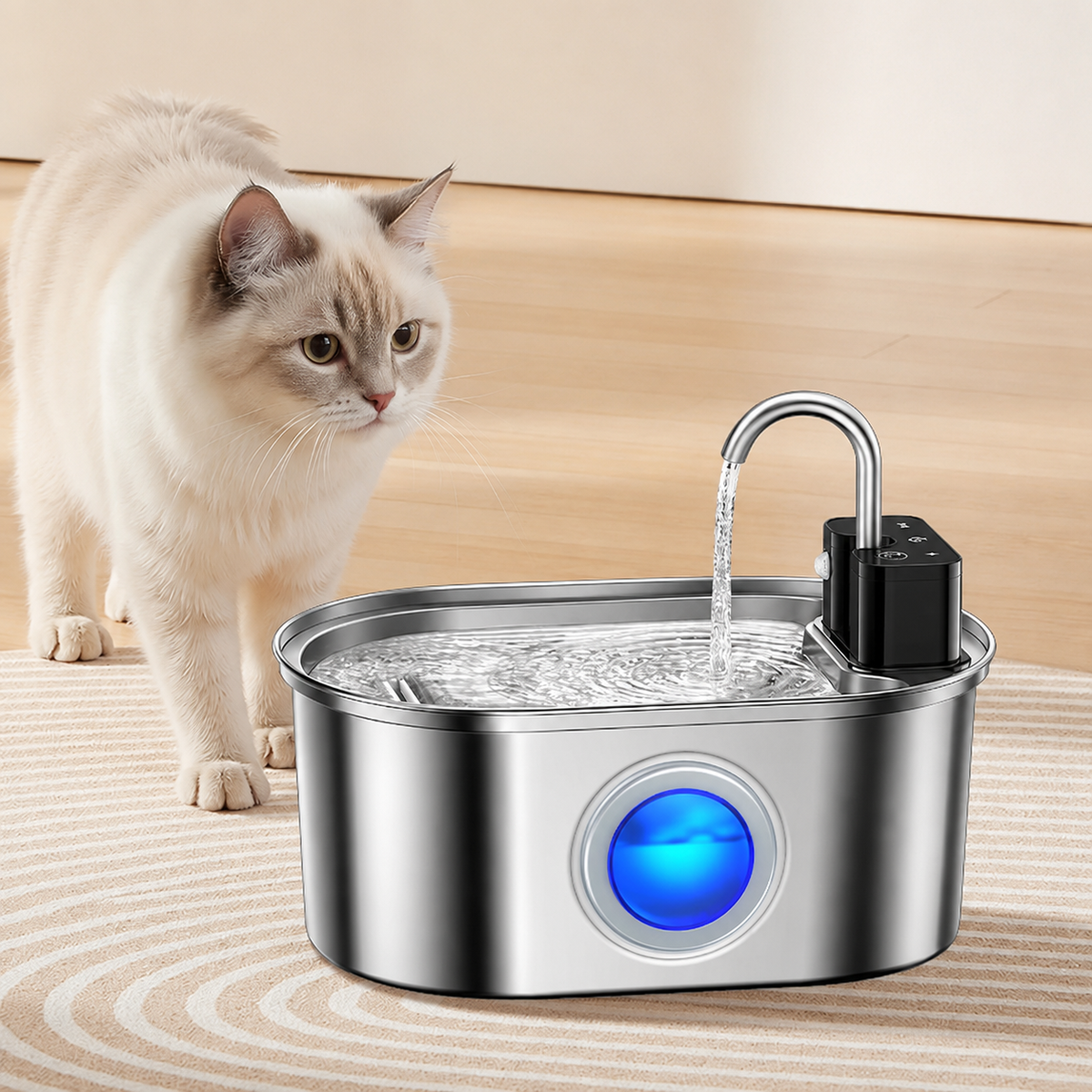
Fresh water is essential year-round but becomes even more important during hot weather.
Place multiple water bowls around your home and backyard.
When hiking or visiting dog parks, always carry portable water and a collapsible bowl.
Hydration is one of the simplest yet most effective Essential Dog Care Tips.
Fall: Prepare for Cooler Temperatures
Autumn is the perfect time to refresh your pet care routine.
As temperatures begin to drop:
- Inspect bedding.
- Replace worn blankets.
- Continue parasite prevention.
- Increase grooming as coats change.
- Monitor older pets for joint stiffness.
Fall is also an excellent season for longer outdoor adventures.
Enjoy Pet-Friendly Parks Across the U.S. & Canada
Cool autumn weather makes outdoor activities especially enjoyable.
Many communities throughout the United States and Canada offer:
- Dog parks.
- Nature trails.
- Pet-friendly hiking routes.
- Outdoor cafés.
- Community walking paths.
Always carry water, keep your dog leashed where required, and follow local park regulations.
These outings provide valuable physical exercise and mental stimulation.
Winter: Keep Your Dog Warm
Cold weather requires extra attention, particularly in Canada, Alaska, Minnesota, Michigan, Wisconsin, and other northern regions.
Protect your dog by:
- Limiting exposure during extreme cold.
- Providing warm bedding.
- Drying wet fur immediately.
- Using insulated jackets for small or short-haired breeds.
- Keeping sleeping areas away from cold drafts.
Senior dogs may need additional warmth during winter months.
Protect Paws from Snow and Road Salt
Winter roads are often treated with salt and ice-melting chemicals.
After every walk:
- Rinse paws with warm water.
- Dry thoroughly.
- Check for cracks.
- Apply paw balm if needed.
This simple habit prevents irritation and accidental ingestion during grooming.
Maintain Indoor Air Quality Year-Round
Indoor heating and air conditioning can dry your pet's skin.
Improve indoor comfort by:
- Running a humidifier during dry winters.
- Replacing HVAC filters regularly.
- Vacuuming frequently.
- Washing pet bedding weekly.
- Brushing indoors to reduce loose fur.
A clean home supports healthier pets and healthier families.
Adjust Nutrition Based on Activity Levels
Seasonal changes often affect exercise routines.
Dogs who are less active during winter may require fewer calories, while highly active dogs hiking during spring and summer may benefit from additional nutritional support.
Always consult your veterinarian before making significant dietary changes.
Schedule Seasonal Veterinary Wellness Exams
Routine veterinary visits are among the most valuable Essential Dog Care Tips.
Annual or biannual wellness exams help monitor:
- Weight changes.
- Dental health.
- Joint mobility.
- Parasite prevention.
- Vaccination schedules.
Every New Pet Parent should know the location of a trusted veterinary clinic and the nearest emergency animal hospital within their community.
Keep an Emergency Pet Kit Ready
Unexpected weather can happen at any time.
Prepare a seasonal emergency kit containing:
- Food for several days.
- Fresh water.
- Medications.
- Leash and harness.
- Blanket.
- Pet first-aid supplies.
- Medical records.
- Emergency contact information.
Being prepared provides peace of mind during storms, snow, or power outages.
Observe Seasonal Behavior Changes
Pay attention to changes in your dog's habits.
Contact your veterinarian if you notice:
- Excessive scratching.
- Loss of appetite.
- Persistent coughing.
- Difficulty walking.
- Unusual fatigue.
- Changes in drinking or urination.
Early diagnosis often leads to better treatment outcomes.
Seasonal Pet Care Checklist
Review these simple questions each season:
- Is flea and tick prevention up to date?
- Does my dog have fresh water available?
- Are paws protected from heat or snow?
- Is bedding appropriate for the current season?
- Have I adjusted outdoor exercise safely?
- Is grooming being done regularly?
- Are vaccinations and wellness exams current?
These habits help your dog stay healthy all year long.
Final Thoughts
Every season offers wonderful opportunities to create lasting memories with your dog, but each also requires thoughtful adjustments to your routine. By following these Essential Dog Care Tips, every New Pet Parent can confidently provide exceptional chăm sóc chó throughout the year.
Whether you're enjoying sunny beaches in the southern United States, hiking colorful trails in the Pacific Northwest, or navigating snowy winters across Canada, adapting your pet care routine to local weather is one of the best investments you can make in your dog's long-term health and happiness.
How do you prepare your pet for each season? Share your favorite seasonal care tips in the comments below, and help fellow pet parents by sharing this guide. If your dog hasn't had a recent wellness check, schedule an appointment with a trusted local veterinarian to ensure they're ready for every season ahead.


