





Summer is the perfect season for hiking, road trips, backyard barbecues, and long walks with your furry companion. But rising temperatures also introduce new risks that every New Pet Parent should understand. Heat exhaustion, dehydration, sunburn, and hot pavement can quickly turn a fun outing into an emergency.
Whether you're enjoying sunny beaches in California, hiking trails in Colorado, relaxing in Florida, or spending summer in Canada's beautiful parks, keeping your pet safe requires a few simple adjustments. These Essential Dog Care Tips will help make chăm sóc chó easier while ensuring your dog stays healthy and comfortable throughout the hottest months of the year.
Walk During the Coolest Hours of the Day
One of the easiest ways to protect your dog is by avoiding peak heat.
Plan walks:
- Early in the morning
- After sunset
- On shaded trails
- Near grassy parks
Midday temperatures can quickly become dangerous, especially for puppies, senior dogs, and flat-faced breeds.
Always Bring Fresh Drinking Water
Hydration is essential during summer.
Carry:
- A portable water bottle
- A collapsible pet bowl
- Extra water during long trips
Offer small drinks regularly instead of waiting until your dog appears thirsty.
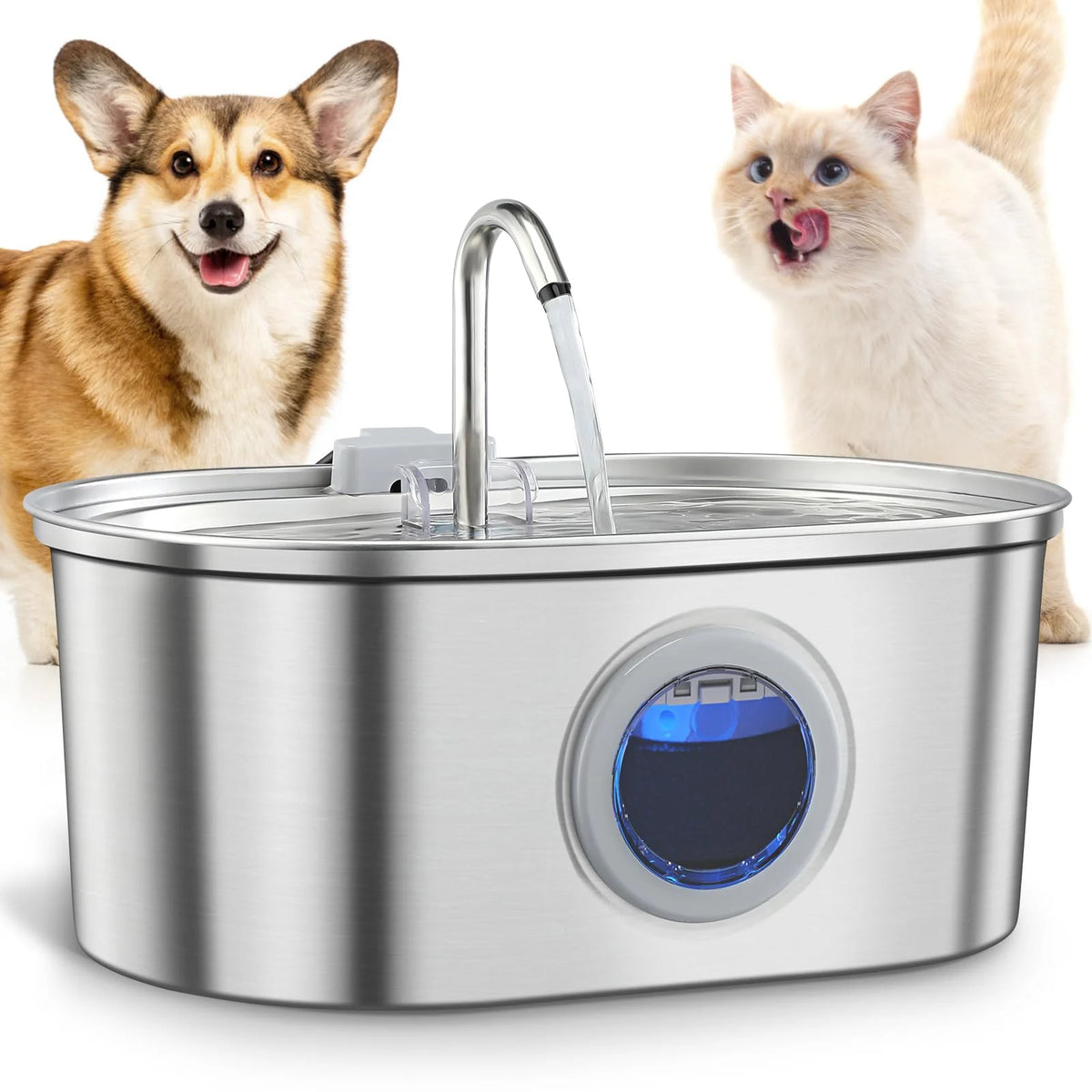
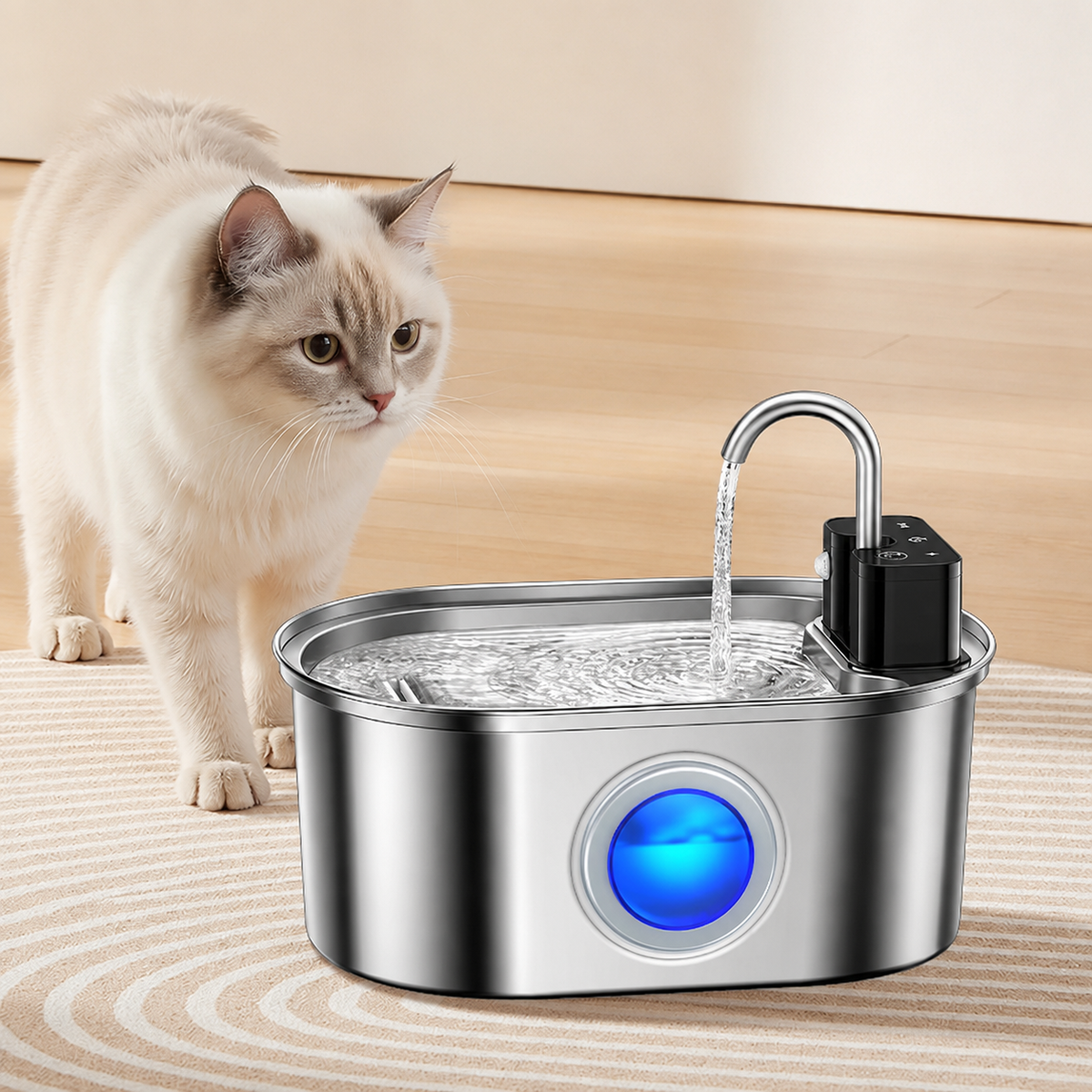
Fresh water should always be available at home and outdoors.
Protect Your Dog from Hot Pavement
Sidewalks and asphalt absorb heat rapidly.
Before every walk, place the back of your hand on the pavement for five seconds.
If it's uncomfortable for your hand, it's too hot for your dog's paws.
Choose:
- Grass paths
- Dirt trails
- Early morning walks
- Protective dog boots if necessary
Healthy paws are an important part of responsible chăm sóc chó.
Never Leave Pets Inside a Parked Vehicle
Even with windows cracked open, the temperature inside a parked car can rise dramatically within minutes.
Heatstroke can develop very quickly and may become life-threatening.
If your dog cannot accompany you inside a building, it's safest to leave them at home in a cool environment.
Watch for Signs of Heatstroke
Every New Pet Parent should recognize the early warning signs.
Symptoms include:
- Heavy panting
- Excessive drooling
- Bright red gums
- Weakness
- Vomiting
- Staggering
- Collapse
Move your dog to a cool area immediately, offer small amounts of water, and contact a veterinarian without delay.
Provide Plenty of Shade
Outdoor play is much safer when dogs have access to shade.
Use:
- Trees
- Covered patios
- Pop-up canopies
- Cooling tents
Never tie a dog in direct sunlight without access to shelter.
Groom Regularly During Summer
Regular grooming helps improve airflow through your dog's coat.
Brushing removes:
- Loose undercoat
- Dirt
- Dead hair
- Small tangles
A self-cleaning slicker brush makes grooming quick while helping reduce shedding inside your home.
Avoid shaving double-coated breeds unless specifically recommended by your veterinarian, as their coat also provides insulation from heat.
Adjust Exercise Based on Local Climate
Summer weather varies widely across the United States and Canada.
In hot states such as Arizona, Texas, Nevada, and Florida, shorten outdoor activities during extreme heat and prioritize indoor enrichment.
In cooler Canadian provinces or northern U.S. regions, mornings and evenings often provide ideal temperatures for longer walks, hiking, and outdoor play.
Adapting activities to your local climate is one of the smartest Essential Dog Care Tips.
Protect Against Fleas, Ticks, and Mosquitoes
Warm weather increases parasite activity.
Before spending time outdoors:
- Use veterinarian-approved flea prevention.
- Check for ticks after hikes.
- Keep grass trimmed in your yard.
- Avoid standing water where mosquitoes breed.
Routine parasite prevention helps protect your dog's long-term health.
Practice Water Safety
Many dogs enjoy swimming, but not every dog is a natural swimmer.
When visiting:
- Lakes
- Rivers
- Beaches
- Swimming pools
Always supervise your dog closely.
Consider a canine life jacket for boating or deep water activities.
Rinse your dog's coat after swimming to remove chlorine, salt, or lake debris.
Keep Your Home Cool
When temperatures rise, indoor comfort becomes essential.
Maintain a cool environment by:
- Using air conditioning.
- Running fans.
- Closing curtains during the hottest hours.
- Providing cooling mats.
- Offering multiple water stations.
A comfortable home supports healthy rest and recovery.
Travel Safely with Your Dog
Summer is vacation season across North America.
Pack a travel kit including:
- Food
- Water
- Leash
- Medical records
- Waste bags
- Favorite toys
- First-aid supplies
Take regular breaks during long road trips so your dog can stretch, hydrate, and relieve themselves safely.
Find Pet-Friendly Parks and Trails
The United States and Canada offer thousands of beautiful pet-friendly destinations.
Before visiting:
- Check local leash regulations.
- Verify water availability.
- Review trail difficulty.
- Confirm pets are permitted.
Popular dog-friendly parks often provide shaded walking paths, waste stations, and drinking fountains.
Schedule a Summer Wellness Check
Summer is a great time to visit your veterinarian.
Routine exams help monitor:
- Heartworm prevention
- Parasite control
- Weight management
- Skin health
- Hydration
- Vaccinations
Every New Pet Parent should know the location of their nearest emergency veterinary hospital before an emergency occurs.
Summer Safety Checklist
Before heading outdoors, ask yourself:
- Is the pavement cool enough?
- Did I pack fresh water?
- Does my dog have shade available?
- Is flea and tick prevention current?
- Have I avoided the hottest hours?
- Is my dog wearing proper identification?
- Do I know where the nearest veterinarian is located?
These simple habits dramatically improve summer safety.
Final Thoughts
Summer offers endless opportunities to create unforgettable memories with your dog, but warm weather also demands extra attention. By following these Essential Dog Care Tips, every New Pet Parent can enjoy safe adventures while providing excellent chăm sóc chó throughout the season.
Whether you're exploring beaches along the California coast, hiking mountain trails in Colorado, visiting local dog parks in Ontario, or enjoying backyard barbecues in Texas, adapting your routine to the summer climate helps protect your dog's health and happiness.
How do you keep your pet cool during the summer? Share your favorite warm-weather tips in the comments below, and help other pet parents by sharing this guide. If your dog hasn't had a recent wellness exam or parasite check, schedule an appointment with a trusted local veterinarian in your community to ensure they're ready for a safe and healthy summer.


