




Winter transforms neighborhoods into beautiful snowy landscapes, but it also brings unique challenges for pet owners. Cold temperatures, icy sidewalks, dry indoor air, and road salt can affect both dogs and cats in ways many New Pet Parents don't expect. Understanding how to adjust your routine during the colder months is an important part of responsible pet ownership.
Whether you live in the snowy provinces of Canada, the northern United States, or regions that experience occasional winter storms, preparing your home and daily routine can help your furry companions stay comfortable and healthy. These Essential Dog Care Tips will help make chăm sóc chó and cat care easier throughout the winter season.
Limit Outdoor Time During Extreme Cold
While many dogs enjoy playing in the snow, prolonged exposure to freezing temperatures can lead to hypothermia or frostbite.
During extremely cold weather:
- Take shorter walks.
- Monitor your pet closely.
- Bring them indoors if they begin shivering.
- Avoid extended outdoor play during snowstorms.
Small breeds, puppies, senior pets, and short-haired animals usually require extra protection.
Protect Paws from Snow, Ice, and Road Salt
Winter sidewalks often contain salt and ice-melting chemicals that can irritate sensitive paw pads.
After every walk:
- Rinse paws with lukewarm water.
- Dry them thoroughly.
- Inspect for cracks or cuts.
- Apply pet-safe paw balm if needed.
Booties can also provide excellent protection during long walks.
Healthy paws are one of the most overlooked Essential Dog Care Tips during winter.
Keep Your Pet Warm Indoors
Indoor comfort is just as important as outdoor safety.
Provide:
- Warm bedding
- Soft blankets
- Draft-free sleeping areas
- Comfortable room temperatures
Avoid placing pet beds near cold windows, exterior doors, or unheated garages.
Cats especially enjoy elevated warm sleeping areas where they can safely relax.
Groom Regularly Throughout Winter
Many owners mistakenly stop grooming during winter.
Regular brushing helps:
- Remove loose fur.
- Prevent painful mats.
- Improve circulation.
- Distribute natural skin oils.
- Keep coats healthier.
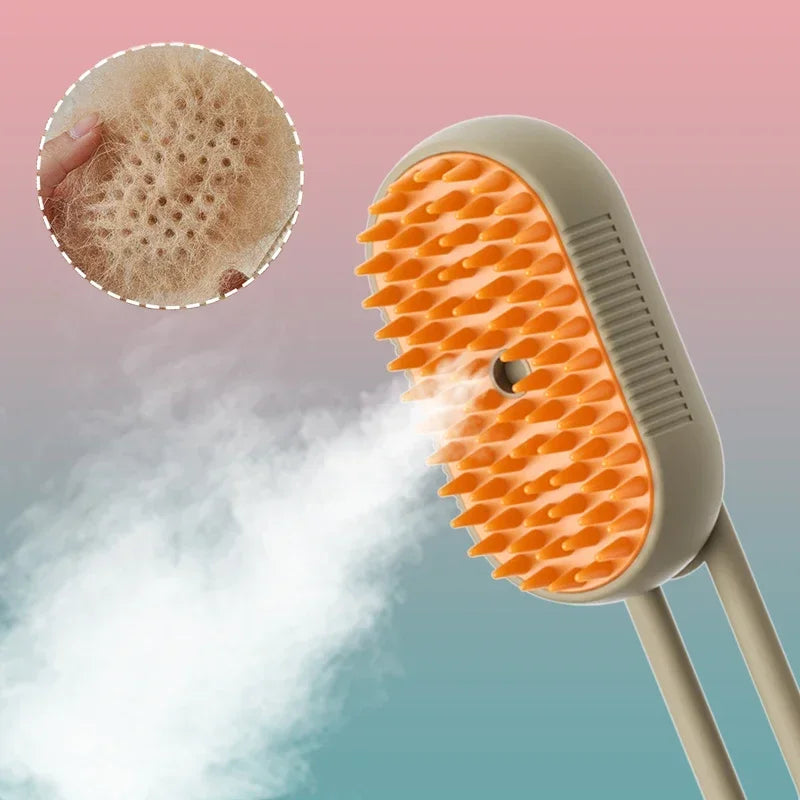
A quality self-cleaning slicker brush makes grooming quick while reducing shedding around your home.
Prevent Dry Skin
Indoor heating systems often reduce humidity, leading to dry skin and itchy coats.
To help maintain healthy skin:
- Brush regularly.
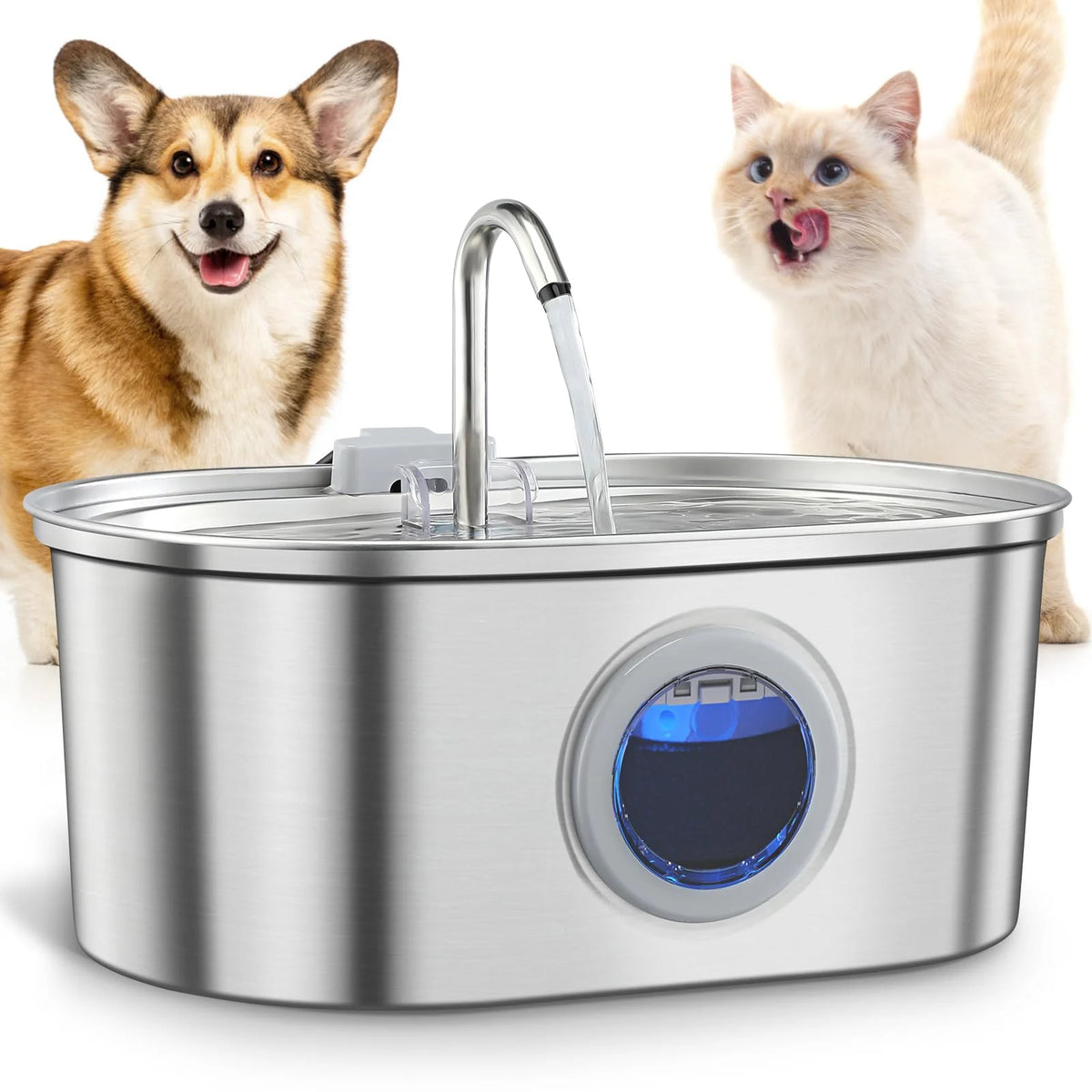
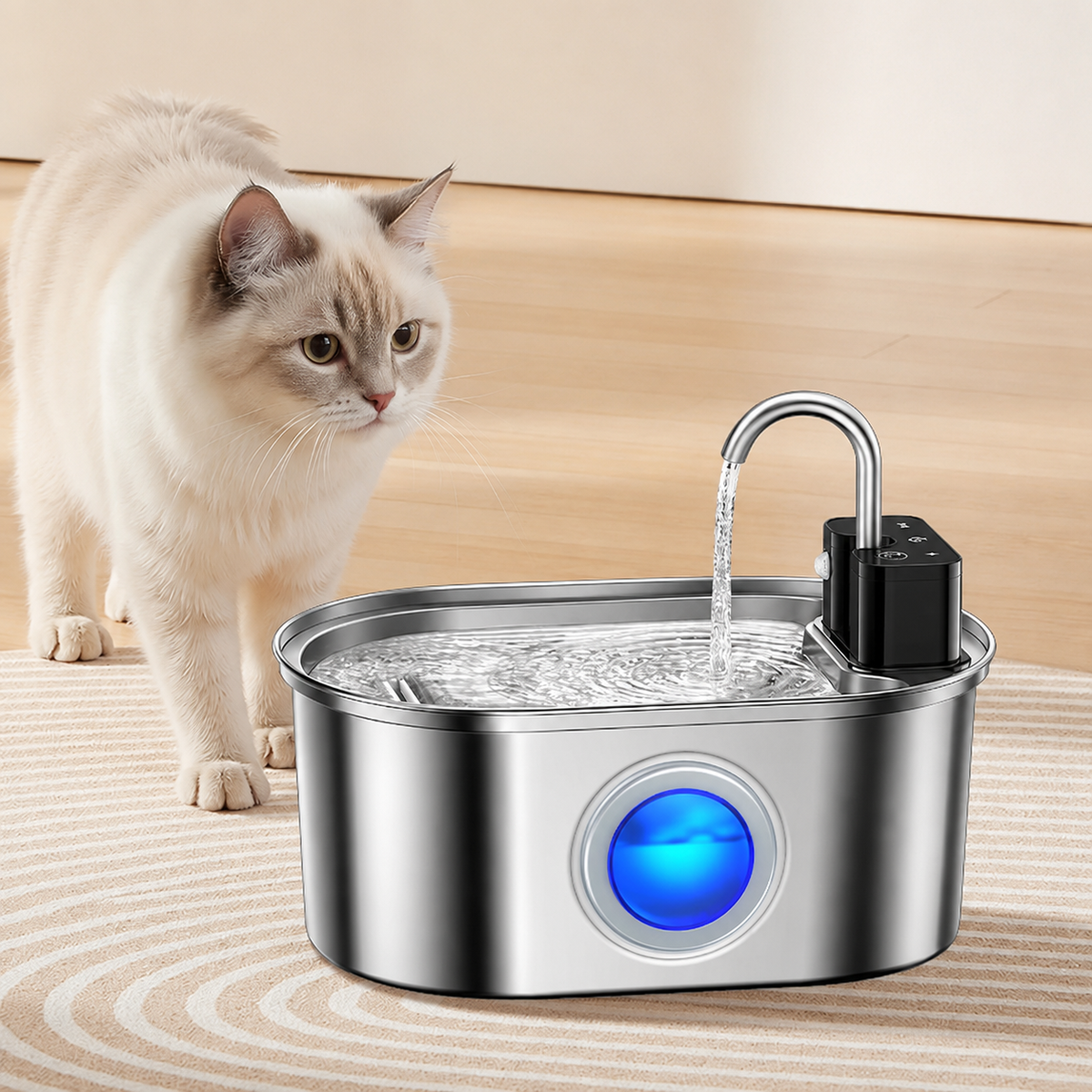
- Provide fresh drinking water.
- Use a humidifier if indoor air becomes very dry.
- Feed a balanced diet rich in omega fatty acids.
If excessive scratching develops, consult your veterinarian.
Adjust Exercise for Local Winter Conditions
Weather conditions vary widely across the United States and Canada.
In colder regions such as Minnesota, Michigan, Alaska, Ontario, Quebec, and Alberta, shorter outdoor walks combined with indoor enrichment activities help maintain healthy exercise levels.
If you live in milder climates like the Pacific Northwest or parts of the southern United States, continue regular outdoor walks while remaining alert to cold rain and icy mornings.
Adapting exercise to your local climate is an important part of chăm sóc chó.
Provide Mental Stimulation Indoors
Winter weather sometimes limits outdoor adventures.
Keep your pet mentally engaged with:
- Puzzle toys
- Interactive feeders
- Hide-and-seek games
- Short training sessions
- Indoor obstacle courses
Mental exercise helps prevent boredom and destructive behaviors.
Watch for Holiday Hazards
Winter holidays introduce several household dangers.
Keep pets away from:
- Chocolate
- Xylitol-containing treats
- Holiday decorations
- Electrical cords
- Lit candles
- Tinsel and ribbons
- Toxic seasonal plants such as poinsettias and lilies
Supervision helps prevent emergency veterinary visits.
Maintain Fresh Water
Hydration remains essential during winter.
Indoor heating can increase water loss even when temperatures are low.
Replace water regularly and clean bowls daily to encourage healthy drinking habits.
Increase Visibility During Winter Walks
Shorter daylight hours make visibility more important.
Consider:
- Reflective collars
- LED safety lights
- Reflective leashes
- Bright winter jackets
These accessories help drivers and cyclists see your pet more easily during early morning and evening walks.
Create a Winter Emergency Kit
Snowstorms and power outages can occur unexpectedly.
Prepare a pet emergency kit containing:
- Food for several days.
- Bottled water.
- Medications.
- Leash and harness.
- Blankets.
- First-aid supplies.
- Medical records.
- Flashlight.
Preparation provides peace of mind during severe winter weather.
Find Indoor Pet-Friendly Activities
Many communities throughout the U.S. and Canada offer indoor opportunities for pets.
Look for:
- Indoor dog training centers.
- Pet-friendly retail stores.
- Indoor agility facilities.
- Community pet events.
- Covered walking areas.
These options provide exercise when outdoor conditions become unsafe.
Schedule a Winter Wellness Check
Winter is an excellent time to visit your veterinarian.
Routine wellness exams help evaluate:
- Joint health
- Skin condition
- Weight management
- Dental care
- Vaccination status
- Parasite prevention
Every New Pet Parent should know the location of both a trusted veterinarian and the nearest emergency animal hospital before severe winter weather arrives.
Recognize Signs of Cold-Related Illness
Seek veterinary attention if your pet experiences:
- Persistent shivering
- Weakness
- Pale gums
- Difficulty walking
- Cold ears or paws
- Lethargy
- Disorientation
Early treatment greatly improves recovery.
Winter Safety Checklist
Before heading outdoors each day, ask yourself:
- Is my pet warm enough?
- Are paws protected from salt and ice?
- Is fresh water available?
- Have I packed reflective gear?
- Is outdoor time appropriate for today's temperature?
- Does my pet have a warm place to rest afterward?
- Do I know where my nearest emergency veterinary clinic is located?
Simple daily habits help keep pets safe throughout winter.
Final Thoughts
Winter doesn't have to slow down the fun. With thoughtful preparation and these Essential Dog Care Tips, every New Pet Parent can confidently provide safe, comfortable, and healthy care throughout the coldest months of the year.
Whether you're experiencing heavy snowfall in Canada, icy mornings across the northern United States, or cool rainy days in the Pacific Northwest, adjusting your daily routine to seasonal conditions is one of the best ways to support lifelong chăm sóc chó and cat care.
How do you keep your pets warm during winter? Share your favorite cold-weather tips in the comments below and help fellow pet parents prepare for the season. If your dog or cat hasn't had a recent winter wellness exam, schedule an appointment with a trusted local veterinarian to ensure they're healthy, protected, and ready to enjoy every snowy adventure.


