





Introduction
Becoming a New Pet Parent is an exciting journey, but it also comes with new responsibilities. One of the biggest concerns for dog owners in the United States and Canada is protecting their furry companions from fleas and ticks. These tiny parasites can cause itching, skin infections, allergies, and even transmit dangerous diseases.
The good news is that many everyday habits can naturally reduce your dog's risk of flea and tick infestations. While natural prevention may not replace veterinary-approved preventatives in high-risk areas, combining these healthy habits with regular veterinary advice is one of the best Essential Dog Care Tips for keeping your dog comfortable year-round.
Why Fleas and Ticks Are a Serious Problem
Fleas reproduce quickly and can infest your home within weeks. Ticks are common in forests, hiking trails, tall grass, and even suburban parks throughout North America. Both pests may carry diseases that affect dogs and sometimes humans.
Learning early prevention methods is one of the smartest Essential Dog Care Tips every New Pet Parent should know.
Keep Your Yard Clean and Dry
Your backyard is often where flea and tick populations begin.
Regularly mow the lawn, trim shrubs, remove leaf piles, and eliminate damp areas where parasites thrive. Keeping your outdoor space neat significantly reduces hiding places for fleas and ticks.
If you live in the southern United States where warm weather lasts longer, yard maintenance becomes even more important throughout the year.
Brush Your Dog Every Day
Daily brushing is a simple but powerful habit.
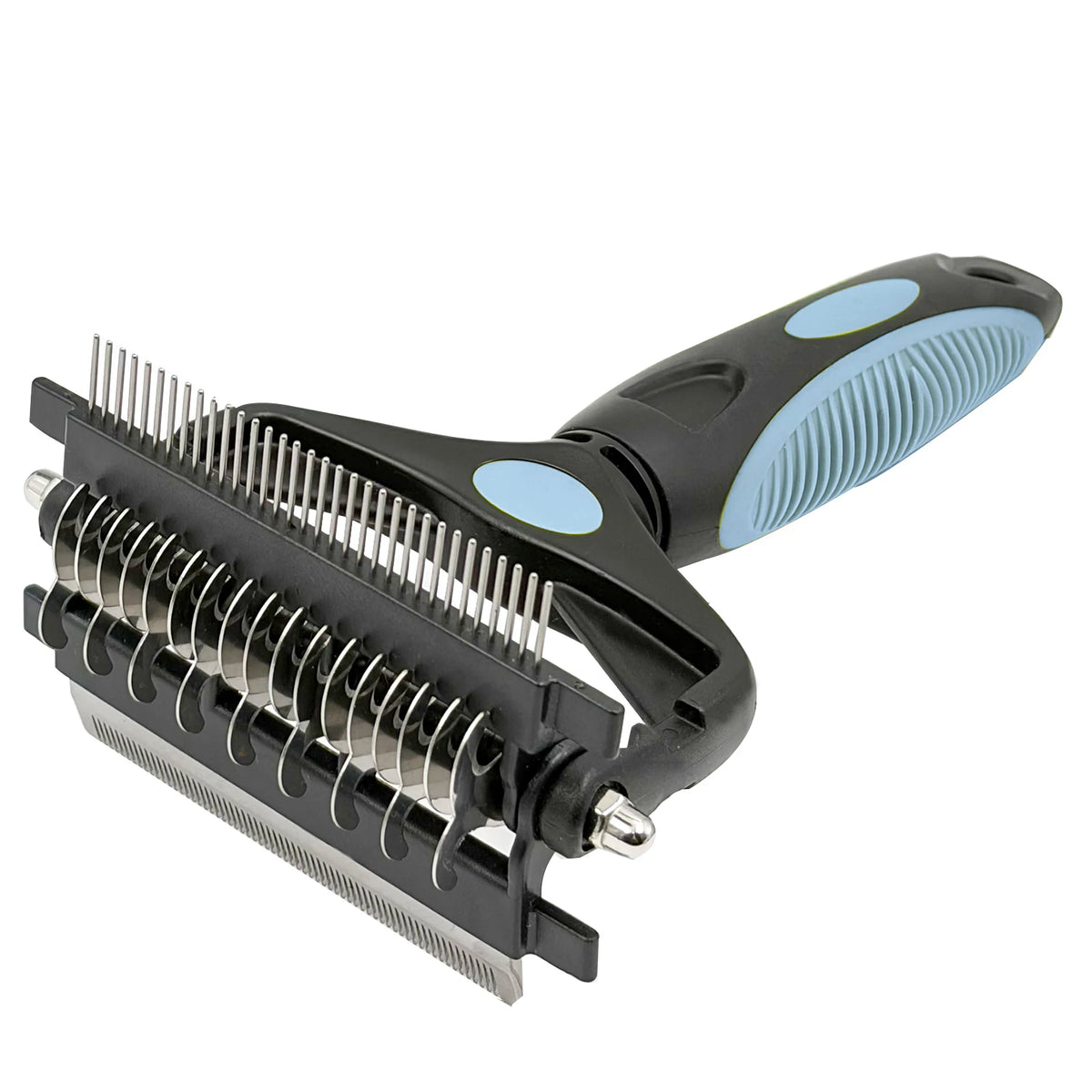
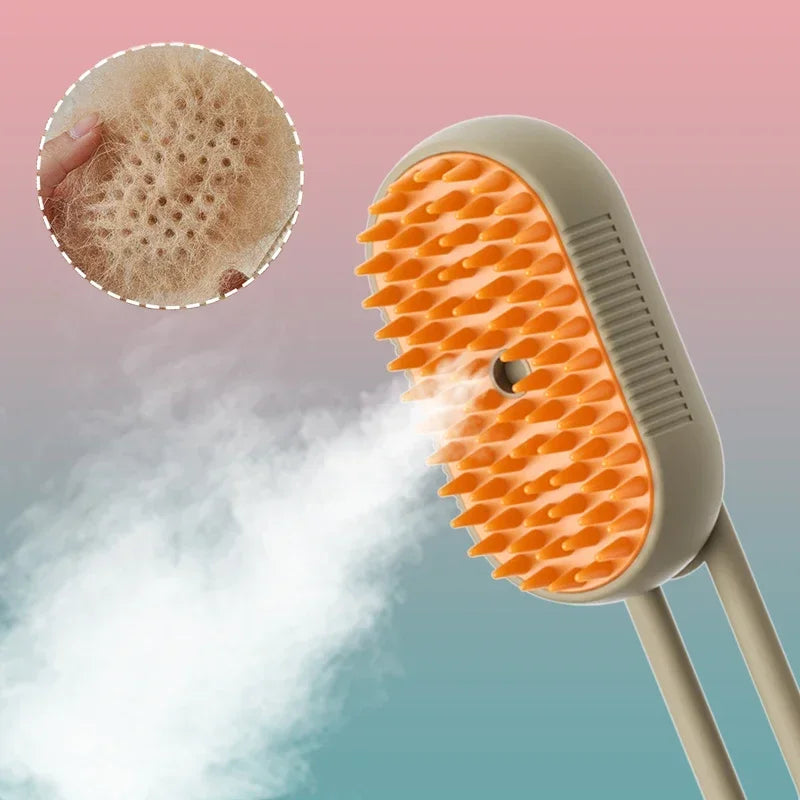
A quality grooming brush helps remove loose fur while allowing you to inspect your dog's skin for fleas, ticks, bumps, or irritation before problems become serious.
Daily grooming is one of the easiest Essential Dog Care Tips for every New Pet Parent.
Bathe Your Dog Regularly
Bathing helps wash away dirt and may remove parasites before they become established.
Use a gentle dog shampoo recommended for your dog's skin type. Avoid excessive bathing, as it can dry the skin and weaken its natural protective barrier.
Dogs that spend more time outdoors may require more frequent grooming than indoor pets.
Wash Bedding and Toys Frequently
Fleas love soft fabrics.
Wash your dog's bedding, blankets, favorite toys, and crate liners weekly using warm water whenever possible. Vacuum carpets, furniture, and pet resting areas regularly to reduce flea eggs hiding inside your home.
A clean environment supports healthier dog care and reduces parasite risks naturally.
Check Your Dog After Every Walk
Outdoor adventures are healthy, but they also increase exposure to parasites.
After visiting parks, wooded trails, or grassy areas, inspect your dog's ears, neck, underarms, belly, paws, and tail. Removing a tick early greatly lowers the chance of disease transmission.
This habit is especially valuable for pet owners across the United States and Canada during spring and summer.
Support a Healthy Immune System
Healthy dogs are generally more resilient.
Provide balanced nutrition, fresh drinking water, regular exercise, quality sleep, and stress reduction. A healthy lifestyle strengthens your dog's overall well-being and supports healthy skin and coat condition.
Good nutrition is always among the most valuable Essential Dog Care Tips.
Use Natural Flea Repellent Products Carefully
Some natural sprays and shampoos are formulated with pet-safe botanical ingredients that may help discourage fleas and ticks.
Always choose products specifically designed for dogs and follow the manufacturer's directions. Never apply homemade essential oil mixtures unless recommended by your veterinarian, as certain oils can be toxic to pets.
Know Seasonal Risks in the USA and Canada
Climate plays a major role in flea and tick activity.
In many southern U.S. states, parasites remain active for much of the year because of warm temperatures. Northern states and most Canadian provinces typically experience peak activity from spring through early fall, although warmer winters are extending flea and tick seasons.
Understanding your local climate helps New Pet Parents adjust prevention routines throughout the year.
Visit Dog Friendly Parks Safely
Dog parks provide wonderful opportunities for exercise and socialization.
Choose well-maintained parks, avoid areas with tall grass whenever possible, and inspect your dog immediately after returning home. Popular dog-friendly parks across cities in the United States and Canada usually maintain cleaner grounds, but routine checks remain essential.
Safe outdoor activities are an important part of responsible dog care.
Schedule Regular Veterinary Checkups
Natural prevention works best alongside professional veterinary guidance.
Ask your veterinarian about flea and tick risks specific to your region. Clinics throughout the USA and Canada can recommend prevention plans based on your dog's breed, lifestyle, travel habits, and local parasite activity.
Routine wellness exams help identify problems before they become serious.
Common Mistakes to Avoid
Many new owners unknowingly increase flea risks.
Skipping regular grooming, allowing overgrown grass, forgetting to wash bedding, ignoring small scratching episodes, or assuming indoor dogs never encounter parasites can all lead to infestations.
Consistent prevention is always easier than treating an established flea problem.
Conclusion
Protecting your dog from fleas and ticks doesn't have to be complicated. Regular grooming, a clean home, healthy nutrition, careful outdoor inspections, and routine veterinary care all work together to reduce parasite risks naturally.
Whether you're raising your first puppy in the United States or caring for a rescue dog in Canada, these Essential Dog Care Tips can help your companion stay happier and healthier throughout the year.
Have your own flea prevention routine? Share your experience in the comments, pass this guide along to fellow pet parents, and schedule your dog's next wellness exam with a trusted local veterinarian to keep them protected year-round.


