

Bringing home a new dog is one of life's most rewarding experiences, but it also comes with important responsibilities. One of the smartest investments you can make is choosing safe, durable toys that keep your dog mentally stimulated, physically active, and away from destructive chewing habits. Whether you're a New Pet Parent in the United States or Canada, understanding what makes a dog toy durable is an essential part of responsible .
This guide shares expert advice to help you select long-lasting toys while incorporating Essential Dog Care Tips that promote your dog's safety, happiness, and overall well-being.
Why Durable Dog Toys Matter
Dogs naturally chew, chase, fetch, and explore with their mouths. Toys satisfy these instincts while reducing boredom and anxiety.
Benefits of durable toys include:
- Promoting healthy chewing habits
- Reducing destructive behavior
- Supporting dental health
- Providing mental stimulation
- Encouraging daily exercise
- Strengthening the bond between owner and dog
Quality toys often save money because they last significantly longer than inexpensive alternatives.
Understand Your Dog's Chewing Style
Every dog chews differently.
Gentle Chewers
Typically enjoy:
- Plush toys
- Rope toys
- Soft rubber balls
Moderate Chewers
Benefit from:
- Natural rubber toys
- Durable fetch toys
- Treat-dispensing puzzles
Power Chewers
Need:
- Heavy-duty rubber
- Industrial-strength nylon
- Reinforced chew toys
Always choose toys based on your dog's chewing strength rather than age alone.
Pick the Right Size
A toy should match your dog's size.
A toy that's too small can become a choking hazard.
A toy that's too large may discourage play.
General guideline:
- Small breeds → Small toys
- Medium breeds → Medium toys
- Large breeds → Large or XL toys
When in doubt, choose the larger option.
Choose Safe Materials
Material quality directly affects durability and safety.
Recommended materials include:
- Natural rubber
- Food-grade silicone
- Heavy-duty nylon
- Thick woven rope
- Reinforced canvas
Avoid toys made with:
- Thin plastic
- Weak seams
- Cheap foam
- Easily detachable decorations
High-quality materials reduce the risk of accidental swallowing.
Look for Strong Construction
Even durable materials can fail if poorly constructed.
Look for:
- Double stitching
- Reinforced seams
- Molded one-piece designs
- Thick walls
- No exposed glue
Well-made toys withstand repeated chewing and rough play.
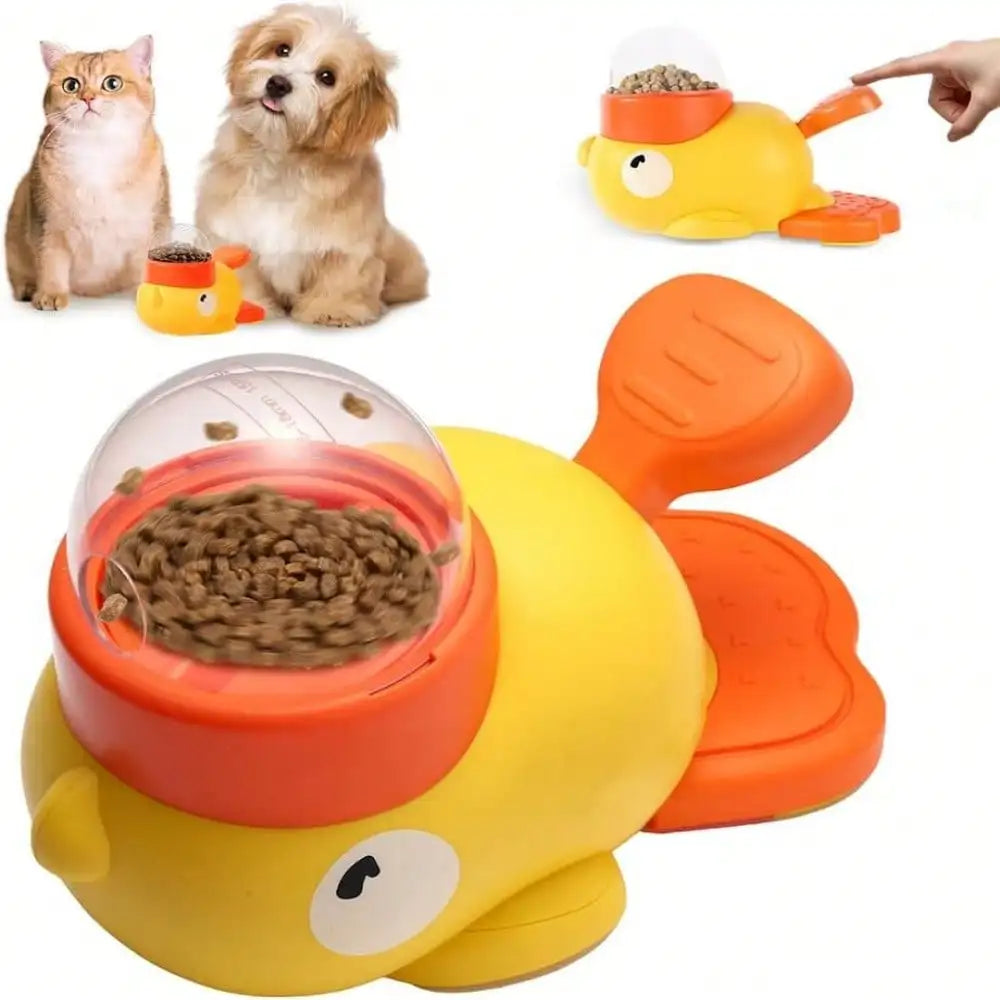
Interactive Toys Keep Dogs Mentally Active
Mental exercise is just as important as physical activity.
Excellent options include:
- Puzzle toys
- Treat dispensers
- Slow-feeding toys
- Snuffle mats
- Interactive balls
These toys reduce boredom while encouraging problem-solving skills.
Rotate Toys Regularly
Instead of leaving every toy available, rotate them weekly.
Benefits include:
- Increased excitement
- Reduced boredom
- Longer toy lifespan
- Better mental enrichment
Many dogs become interested in "old" toys again after a short break.
Replace Damaged Toys Immediately
Inspect toys every few days.
Replace toys if you notice:
- Large cracks
- Loose pieces
- Torn fabric
- Broken squeakers
- Missing components
Damaged toys can quickly become safety hazards.
Consider Your Local Climate
Weather affects how dog toys perform.
In warmer parts of the United States, including Florida, Arizona, Texas, and Southern California, rubber toys left outside in direct sunlight may become brittle over time. Store toys indoors whenever possible.
In colder regions of Canada and northern U.S. states, extreme winter temperatures can make some plastics more likely to crack. Choose premium rubber products that remain flexible during cold weather.
These seasonal considerations are often overlooked but represent valuable Essential Dog Care Tips for protecting your investment.
Outdoor Toys for Active Dogs
If your dog enjoys hiking or trips to local parks, choose toys designed for outdoor adventures.
Ideal outdoor toys include:
- Floating fetch toys
- Waterproof rubber balls
- Frisbees
- Tug ropes
- Brightly colored retrieval toys
Many dog-friendly parks across the United States and Canada provide excellent opportunities for supervised play and exercise.
Puppies Need Different Toys
Puppies experience discomfort while teething.
Choose:
- Softer rubber toys
- Cooling chew toys
- Flexible teething rings
Avoid extremely hard toys that may damage developing teeth.
Senior Dogs Need Comfort Too
Older dogs often have more sensitive teeth.
Look for:
- Softer rubber
- Lightweight toys
- Easy-to-grip designs
- Gentle fetch balls
Senior dogs still benefit from interactive play but require toys that are comfortable to chew.
Clean Toys Regularly
Dog toys collect:
- Dirt
- Saliva
- Food residue
- Bacteria
Wash rubber toys weekly using warm water and pet-safe soap.
Machine-wash fabric toys according to the manufacturer's instructions.
Regular cleaning keeps toys safe and extends their lifespan.
Ask Your Veterinarian for Recommendations
Every dog has unique needs.
Your veterinarian can recommend toys based on:
- Breed
- Age
- Dental condition
- Chewing behavior
- Medical history
If your dog suddenly begins chewing excessively or destroying toys unusually quickly, schedule a veterinary examination to rule out underlying health concerns.
Support Local Pet Communities
Throughout the United States and Canada, many veterinary clinics, rescue organizations, training centers, and pet stores offer guidance on selecting safe toys.
As a New Pet Parent, don't hesitate to ask local professionals which products work best for your dog's breed and activity level. Community recommendations often lead to safer purchasing decisions and better long-term .
Quick Buying Checklist
Before purchasing a dog toy, ask yourself:
- Is it the correct size?
- Is it made from safe materials?
- Can my dog destroy it easily?
- Does it match my dog's chewing style?
- Is it easy to clean?
- Does it encourage exercise or mental stimulation?
- Is it recommended for my dog's age?
Answering these questions helps you choose toys that provide lasting value and safety.
Final Thoughts
Choosing durable dog toys is about much more than entertainment. The right toys promote healthy chewing habits, improve mental stimulation, encourage exercise, and help prevent destructive behavior. By selecting high-quality materials, inspecting toys regularly, and matching them to your dog's size and chewing strength, you'll create a safer and more enriching environment for your furry companion.
Whether you're a New Pet Parent in the United States or Canada, following these Essential Dog Care Tips will help your dog stay happy, active, and engaged for years to come. Investing in durable toys today can lead to healthier habits and fewer safety concerns tomorrow.
What durable dog toy has lasted the longest for your pup? Share your recommendations in the comments below to help other pet parents. If you're unsure which toys are safest for your dog's breed or age, schedule a visit with your local veterinarian for personalized guidance.


