

A dog collar is much more than a simple accessory—it's an essential part of your dog's everyday safety, identification, and comfort. For every New Pet Parent, choosing the right collar can feel overwhelming with so many materials, sizes, and styles available. The good news is that the right choice depends on understanding your dog's unique needs rather than following trends.
Whether you're walking through a neighborhood park in the United States or exploring scenic trails across Canada, a properly fitted collar helps keep your dog secure while making daily adventures more enjoyable. These Essential Dog Care Tips will help simplify chăm sóc chó and guide you toward selecting a collar that supports your dog's health, comfort, and safety.
Why Choosing the Right Dog Collar Matters
Your dog wears a collar almost every day.
A well-designed collar provides:
- Reliable identification
- Better walking control
- Increased safety
- Comfort during daily activities
- Easy attachment for tags and leashes
- Peace of mind for pet owners
A poorly fitted collar, however, can cause skin irritation, hair loss, discomfort, or even allow your dog to escape.
Measure Your Dog's Neck Correctly
The first step is choosing the correct size.
Measure around the widest part of your dog's neck using a soft measuring tape.
Follow the two-finger rule:
- The collar should be snug.
- You should comfortably fit two fingers between the collar and your dog's neck.
This prevents both slipping out and excessive pressure.
Growing puppies should have their collar checked every few weeks.
Choose the Right Collar Material
Different materials suit different lifestyles.
Nylon Collars
Ideal for everyday use because they are:
- Lightweight
- Affordable
- Durable
- Available in many colors
Leather Collars
Perfect for owners wanting a premium appearance.
Leather becomes softer over time and offers excellent durability with proper care.
Waterproof Collars
Excellent for active dogs who enjoy:
- Swimming
- Hiking
- Rainy weather
- Muddy adventures
These collars resist odors and dry quickly.
Match the Collar to Your Dog's Activity Level
Highly active dogs benefit from collars that are:
- Lightweight
- Durable
- Easy to clean
- Weather resistant
Calmer indoor dogs may enjoy softer padded collars that maximize comfort during everyday wear.
Choosing the right design is one of the most practical Essential Dog Care Tips for active families.
Consider Your Local Climate
Weather affects collar performance.
For warm states like Florida, Texas, Arizona, and Southern California, breathable nylon or waterproof materials help reduce moisture buildup and skin irritation.
In colder regions such as Ontario, Quebec, Alberta, Minnesota, and Maine, padded collars provide additional comfort while resisting moisture from snow and rain.
Choosing materials appropriate for your local climate improves both durability and your dog's comfort.
Don't Forget Identification Tags
Every collar should include:
- ID tag
- Owner's phone number
- City or neighborhood
- Rabies tag if required
- License tag where applicable
Microchipping adds another layer of protection but should never replace visible identification.
If your dog becomes lost, updated ID tags greatly improve the chances of a safe return.
Choose Strong Hardware
The buckle and D-ring matter just as much as the collar itself.
Look for:
- Rust-resistant metal hardware
- Reinforced stitching
- Durable buckles
- Strong leash attachment points
Cheap plastic hardware may fail unexpectedly.
Reflective Collars Improve Visibility
If you regularly walk early in the morning or after sunset, reflective collars are highly recommended.
They help drivers, cyclists, and pedestrians spot your dog more easily.
This is especially useful during shorter winter days throughout much of Canada and the northern United States.
Avoid Collars That Are Too Heavy
Large decorative collars may look attractive but can become uncomfortable.
Small breeds benefit from:
- Lightweight collars
- Narrow widths
- Soft materials
Large breeds usually require:
- Wider collars
- Reinforced stitching
- Strong hardware
Comfort should always come first.
Check the Fit Regularly
Dogs grow, gain weight, and lose weight over time.
Inspect the collar monthly by checking for:
- Proper fit
- Fraying
- Broken stitching
- Loose hardware
- Skin irritation
Routine inspections help prevent unexpected problems.
Pair the Collar with Proper Grooming
Long fur can become trapped beneath collars.
Regular brushing helps:
- Prevent matting
- Reduce shedding
- Improve skin health
- Keep collars cleaner
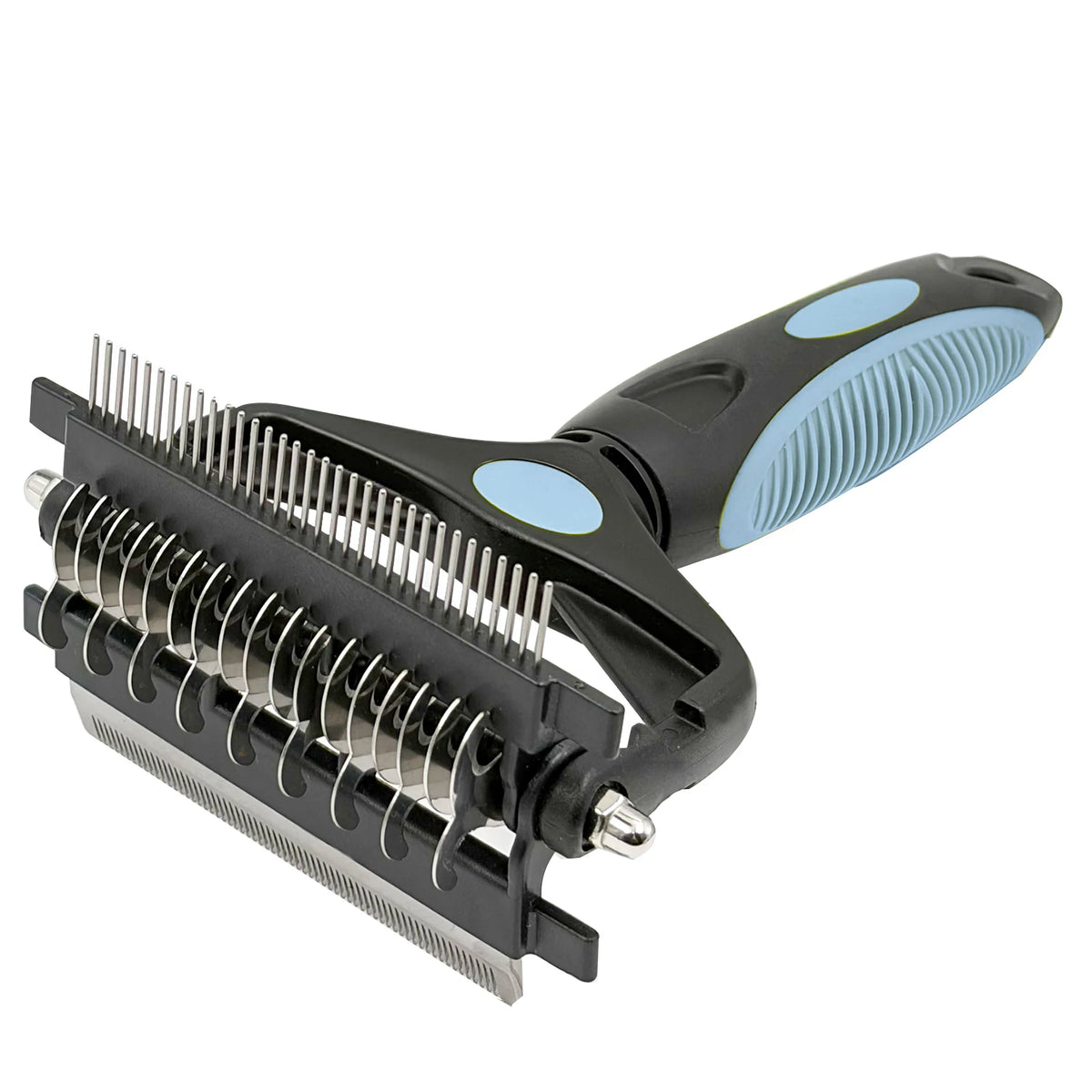
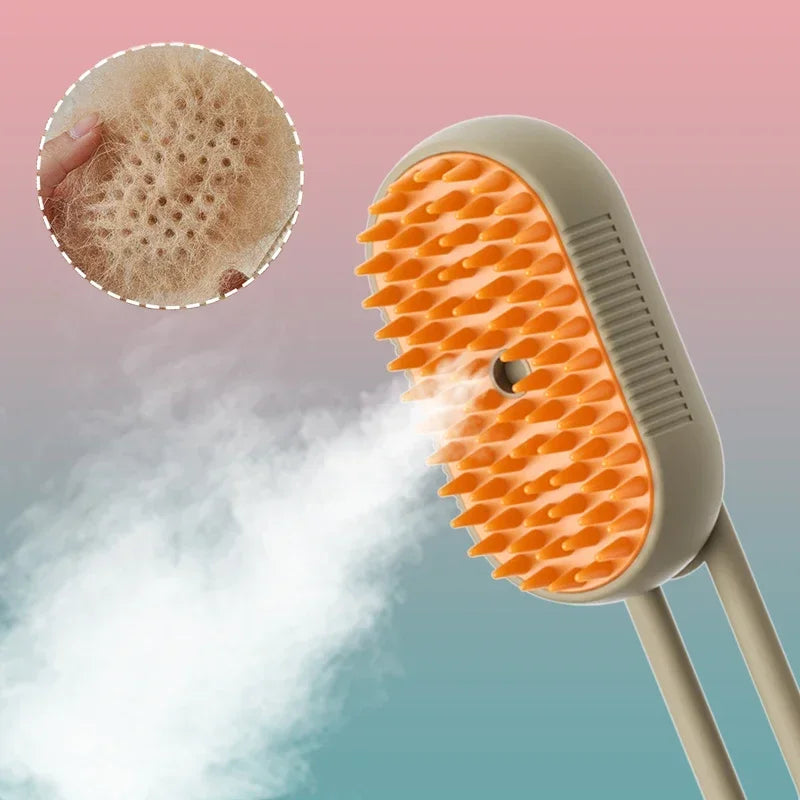
Using a self-cleaning slicker brush before walks helps maintain both your dog's coat and overall collar comfort.
Visit Local Dog Parks Safely
Many cities across the United States and Canada offer excellent dog-friendly parks where collars are often required.
Before visiting:
- Confirm local leash regulations.
- Ensure ID tags are current.
- Check that the collar fits securely.
- Bring fresh water.
- Carry waste bags.
Following local rules helps keep parks safe for everyone.
Ask Your Veterinarian for Recommendations
Dogs with medical conditions may require specialized collars.
Consult your veterinarian if your dog has:
- Neck injuries
- Skin allergies
- Recent surgery
- Respiratory conditions
- Arthritis
Professional guidance helps you choose the safest option.
Dog Collar Buying Checklist
Before purchasing, ask yourself:
- Does the collar fit properly?
- Is it made from durable materials?
- Is it comfortable for everyday wear?
- Does it suit my local weather?
- Are the buckle and D-ring strong enough?
- Can identification tags be attached easily?
- Will it support my dog's activity level?
Using this checklist helps you choose a collar that offers both safety and comfort.
Final Thoughts
Choosing the right dog collar is one of the simplest yet most important decisions every pet owner can make. A comfortable, properly fitted collar keeps your dog safe, supports daily training, and provides reliable identification wherever your adventures take you. By following these Essential Dog Care Tips, every New Pet Parent can improve chăm sóc chó while giving their furry companion greater comfort and protection.
Whether you're enjoying neighborhood walks in the United States, exploring hiking trails across Canada, or simply spending time in your local dog park, the right collar provides confidence for both you and your dog.
What type of collar does your dog wear every day? Share your experience in the comments below and help other pet parents choose the best option. If you're unsure whether your dog's current collar fits properly or notice signs of discomfort, schedule a visit with your trusted local veterinarian for expert advice and a quick health check.


